

Now Reading: Easy Moroccan Chicken Recipe – Tender Spiced Chicken
-
01
Easy Moroccan Chicken Recipe – Tender Spiced Chicken

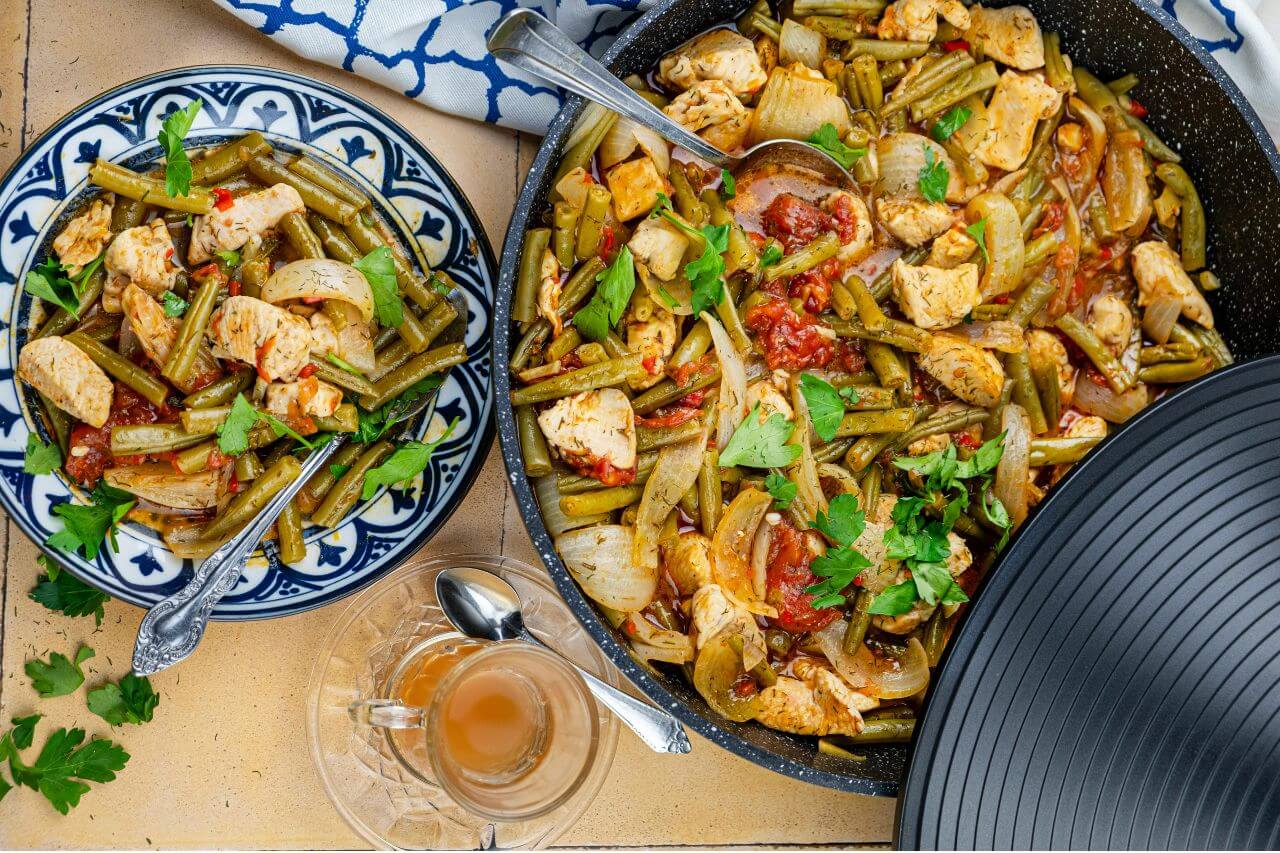
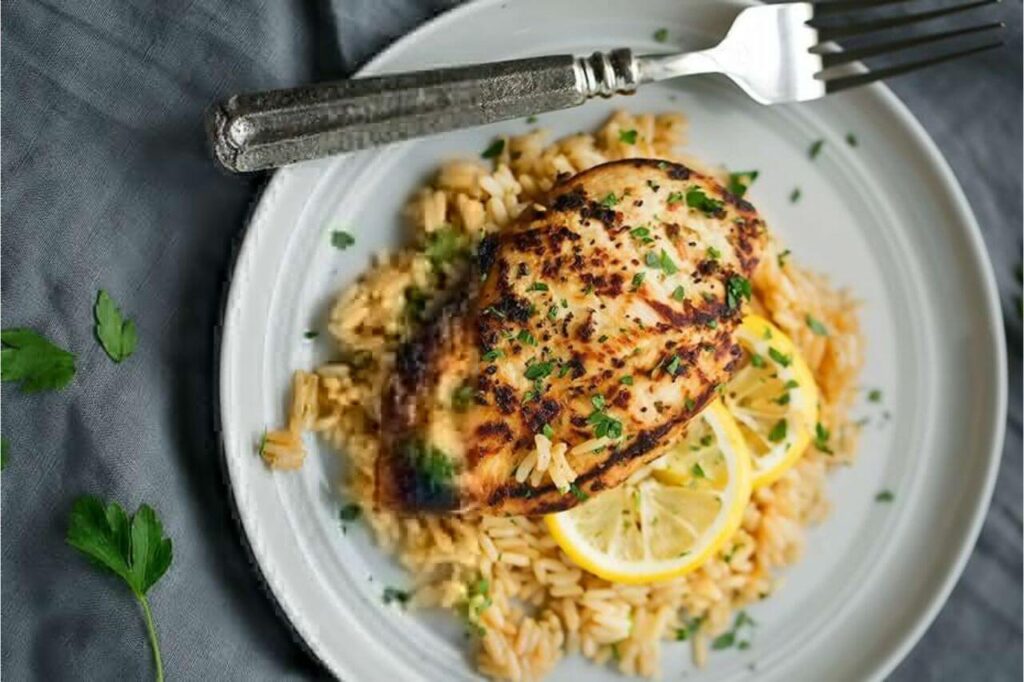
Moroccan Chicken is a comforting, aromatic dish made with tender chicken, warm spices, garlic, onion, lemon, and fresh herbs. The combination of cumin, paprika, coriander, turmeric, and cinnamon gives the chicken a rich North African-inspired flavor without making the recipe complicated.
This easy Moroccan Chicken recipe is cooked in a flavorful sauce until the chicken is tender and juicy. The result is a hearty dinner with layers of savory, citrusy, and gently spiced flavors. Serve it over fluffy couscous or rice with warm bread for an easy family meal.
Moroccan Chicken Recipe at a Glance
- Prep Time: 15 minutes
- Cook Time: 40 minutes
- Total Time: 55 minutes
- Servings: 4
- Cuisine: Moroccan / North African-inspired
- Main Ingredients: Chicken, spices, onion, garlic, and lemon
- Best Served: Warm with couscous, rice, or bread
Ingredients
For the Chicken
- 1½ lb boneless, skinless chicken thighs
- 2 tbsp olive oil
- 1 medium onion, finely chopped
- 4 cloves garlic, minced
- 1 tsp ground cumin
- 1 tsp paprika
- 1 tsp ground coriander
- ½ tsp ground turmeric
- ½ tsp ground cinnamon
- ½ tsp ground ginger
- 1 tsp salt
- ½ tsp black pepper
For the Sauce
- 1 cup chicken broth
- 1 tbsp fresh lemon juice
- 1 tsp lemon zest
- 1 tbsp tomato paste
- ½ cup chopped tomatoes
- ½ cup green olives, pitted
- 2 tbsp chopped fresh cilantro
- 2 tbsp chopped fresh parsley
For Serving
- Lemon wedges
- Fresh cilantro or parsley
- Cooked couscous or rice
- Warm flatbread, optional
How to Make Moroccan Chicken
1. Season the Chicken
Place the chicken thighs in a large bowl.
Add cumin, paprika, coriander, turmeric, cinnamon, ginger, salt, and black pepper. Drizzle with 1 tablespoon of olive oil and toss until the chicken is evenly coated with the spices.
Let the chicken rest for about 10 minutes while you prepare the other ingredients.
The surface of the chicken should look evenly covered with the warm spice mixture.
2. Brown the Chicken
Heat the remaining tablespoon of olive oil in a large deep skillet over medium-high heat.
Add the chicken in a single layer and cook for approximately 3–4 minutes per side.
You are looking for a deep golden-brown exterior rather than fully cooking the chicken at this stage.
Transfer the browned chicken to a plate.
3. Cook the Onion and Garlic
Reduce the heat to medium.
Add the chopped onion to the same skillet and cook for 4–5 minutes, stirring occasionally, until soft and lightly golden.
Add the minced garlic and cook for another 30 seconds.
The onion should be tender and the garlic fragrant.
4. Build the Moroccan Sauce
Add the tomato paste to the skillet and stir it into the onions and garlic.
Cook for about 1 minute.
Add the chopped tomatoes and chicken broth. Stir well, scraping the flavorful browned bits from the bottom of the skillet.
Add the lemon juice and lemon zest.
Bring the sauce to a gentle simmer.
5. Return the Chicken
Place the browned chicken thighs back into the skillet.
Spoon some of the sauce over the chicken.
Cover the skillet and reduce the heat to low.
Simmer for approximately 20–25 minutes, turning the chicken once halfway through cooking.
The sauce should gradually become thicker and richer, while the chicken should become tender and fully cooked.
6. Add the Olives
Add the green olives during the final 5 minutes of cooking.
This gives them enough time to warm through while keeping their briny flavor noticeable.
Taste the sauce and adjust the seasoning if needed.
7. Finish With Fresh Herbs
Turn off the heat and stir in the chopped cilantro and parsley.
Let the chicken sit uncovered for about 5 minutes before serving.
The sauce should lightly coat the chicken rather than look watery.
8. Serve
Transfer the Moroccan Chicken to a serving dish.
Spoon plenty of the spiced sauce over the chicken and finish with fresh cilantro, parsley, and lemon wedges.
Serve immediately with couscous, rice, or warm flatbread.
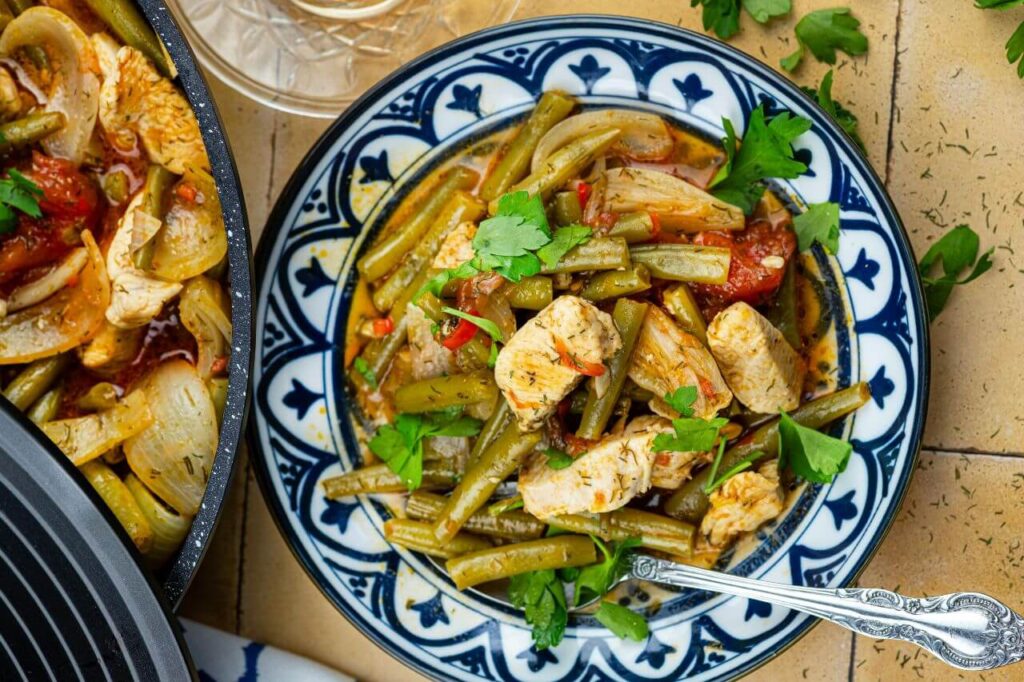
Why You’ll Love This Moroccan Chicken
This Moroccan Chicken is full of flavor without requiring complicated cooking techniques.
The warm spices create a fragrant base, while tomato, lemon, and olives bring acidity and savory depth to the sauce. Chicken thighs remain juicy as they simmer gently in the seasoned sauce.
It is also flexible enough for a weeknight dinner but flavorful enough to serve when you’re cooking for guests.
Ingredient Notes
Chicken thighs: Boneless chicken thighs work especially well because they stay juicy during simmering. Bone-in thighs can also be used, although the cooking time may need to be increased.
Cumin: Cumin provides an earthy, warm flavor that works as one of the main spices in Moroccan-style chicken.
Coriander: Ground coriander adds a subtle citrusy and nutty note that balances the stronger spices.
Cinnamon: A small amount of cinnamon adds warmth and complexity without making the chicken taste sweet.
Turmeric: Turmeric contributes earthy flavor and gives the sauce a beautiful golden color.
Lemon: Fresh lemon juice and zest brighten the rich spice mixture.
Green olives: Olives add a salty, briny contrast to the warm spices and lemon.
Fresh herbs: Cilantro and parsley provide freshness at the end of cooking.
What Gives Moroccan Chicken Its Flavor?
Moroccan Chicken gets its characteristic flavor from a combination of aromatic spices, fresh herbs, lemon, and savory ingredients.
Cumin, coriander, turmeric, ginger, paprika, and cinnamon create a warm spice base. Garlic and onion build the savory foundation, while lemon and olives provide brightness and contrast.
The spices do not need to be extremely hot. Instead, they create a fragrant and layered flavor.
How Do You Make Moroccan Chicken Tender?
Chicken thighs are particularly useful because they contain more fat than chicken breast and stay moist during longer cooking.
Brown the chicken first, then allow it to simmer gently in the sauce. Keeping the heat moderate prevents the sauce from reducing too quickly while the chicken finishes cooking.
The chicken is ready when it is tender and reaches a safe internal temperature of 165°F (74°C).
Can You Make Moroccan Chicken Without Olives?
Yes. Olives add a salty, briny flavor, but the chicken can still be delicious without them.
If you leave them out, taste the sauce near the end and adjust the salt and lemon to maintain a good balance of savory and bright flavors.
Moroccan Chicken Variations
Moroccan Chicken with Apricots: Add chopped dried apricots during the final 10 minutes for a sweet contrast to the spices.
Moroccan Chicken with Chickpeas: Add drained chickpeas to the sauce during the last 10–15 minutes of cooking for extra texture and protein.
Moroccan Chicken Tagine-Style: Use bone-in chicken thighs and simmer them gently with the spices, lemon, olives, and sauce.
Spicy Moroccan Chicken: Add a pinch of cayenne pepper or red pepper flakes to the spice mixture.
Moroccan Chicken with Vegetables: Add carrots, zucchini, or bell peppers to make the dish more substantial.
Moroccan Chicken with Couscous: Serve the chicken and sauce over fluffy couscous so it absorbs the flavorful juices.
What to Serve With Moroccan Chicken
Moroccan Chicken pairs particularly well with simple sides that can absorb the sauce.
- Couscous
- Basmati rice
- Warm flatbread
- Moroccan-style carrot salad
- Cucumber salad
- Roasted vegetables
- Chickpeas
- Simple green salad
- Greek or plain yogurt
A fresh salad or cucumber side can provide a cool contrast to the warm spices.
Can You Make Moroccan Chicken Ahead of Time?
Yes. In fact, the flavors can become even more developed after resting.
Prepare the chicken and sauce completely, then allow it to cool before refrigerating.
Store it in an airtight container for up to 3 days.
Reheat gently in a covered skillet over medium-low heat. Add a small splash of chicken broth or water if the sauce has become too thick.
How to Store Moroccan Chicken
Allow leftovers to cool before transferring them to an airtight container.
Refrigerate for up to 3 days.
For longer storage, freeze the chicken and sauce in freezer-safe containers for up to 2 months.
Thaw overnight in the refrigerator and reheat thoroughly before serving.
Frequently Asked Questions
What spices are used in Moroccan Chicken?
Common Moroccan-inspired chicken recipes use spices such as cumin, coriander, paprika, turmeric, ginger, cinnamon, and black pepper. The exact combination varies between recipes.
Is Moroccan Chicken spicy?
Not necessarily. Moroccan cuisine uses many aromatic spices that provide warmth and depth without making a dish very hot. Add cayenne or chili flakes if you prefer a spicy version.
Can I use chicken breast?
Yes. Chicken breast can be used, but it cooks faster and is leaner than chicken thighs. Reduce the simmering time and check the chicken carefully so it remains juicy.
Can I use bone-in chicken?
Yes. Bone-in chicken thighs or drumsticks work well in this type of recipe. They may require additional cooking time to become tender.
Can I make Moroccan Chicken in a slow cooker?
Yes. Brown the chicken and sauté the onion and garlic first for extra flavor, then transfer everything to a slow cooker with the sauce ingredients. Cook until the chicken is tender and fully cooked.
What is the difference between Moroccan Chicken and Chicken Tagine?
A tagine is both a traditional Moroccan cooking vessel and a style of slow-cooked dish. Moroccan Chicken can be prepared in a regular skillet or Dutch oven while using many of the same flavor combinations associated with Moroccan tagines.
Final Thoughts
This easy Moroccan Chicken brings together tender chicken, warm spices, garlic, tomato, lemon, olives, and fresh herbs for a deeply flavorful Mediterranean and North African-inspired dinner.
Browning the chicken first builds a richer flavor, while gently simmering it in the spiced sauce keeps it tender and juicy. Serve it over fluffy couscous or rice and finish with fresh lemon and herbs for a comforting meal the whole family can enjoy.
Related Posts
Stay Informed With the Latest & Most Important News
Previous Post
Next Post



Advertisement
