
Now Reading: Easy Beef Chow Mein Recipe With Tender Beef and Noodles
- 01
Easy Beef Chow Mein Recipe With Tender Beef and Noodles

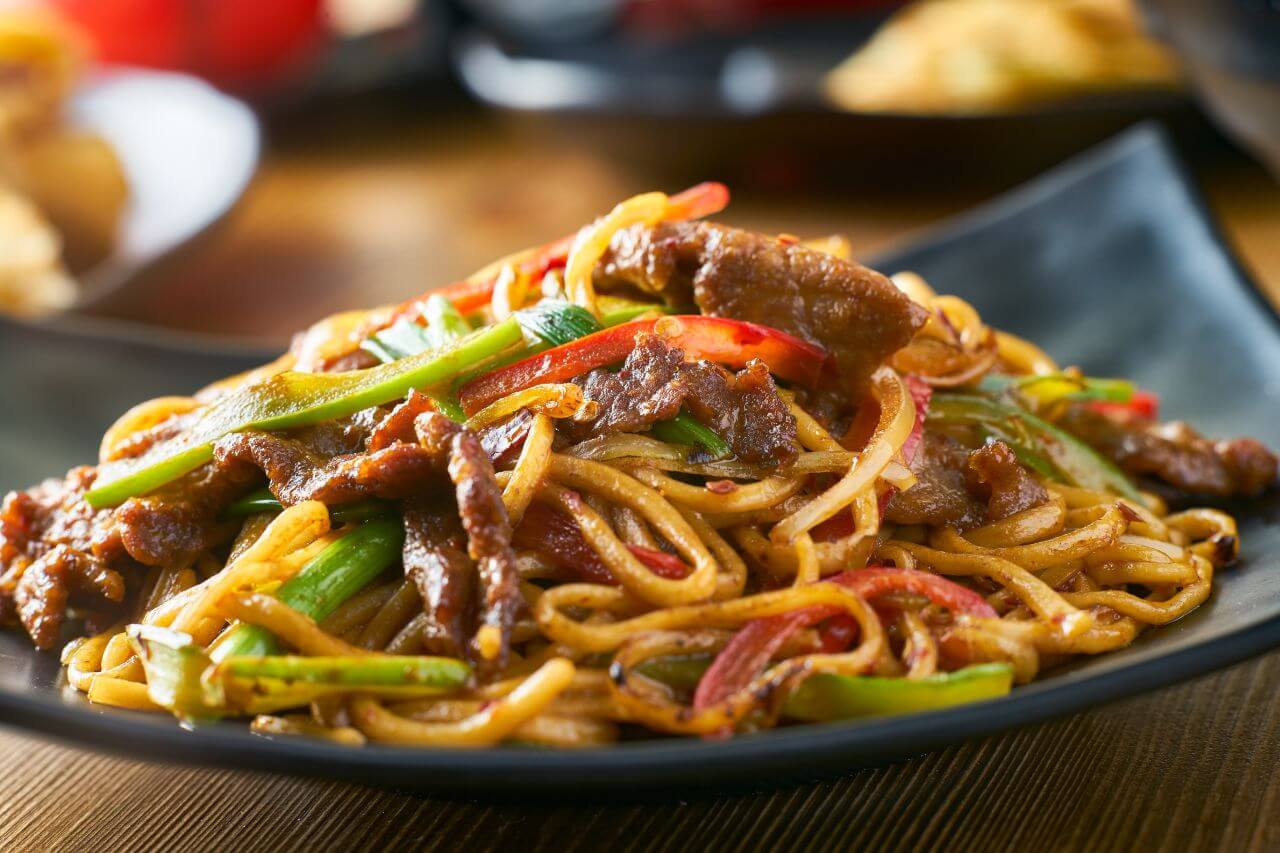
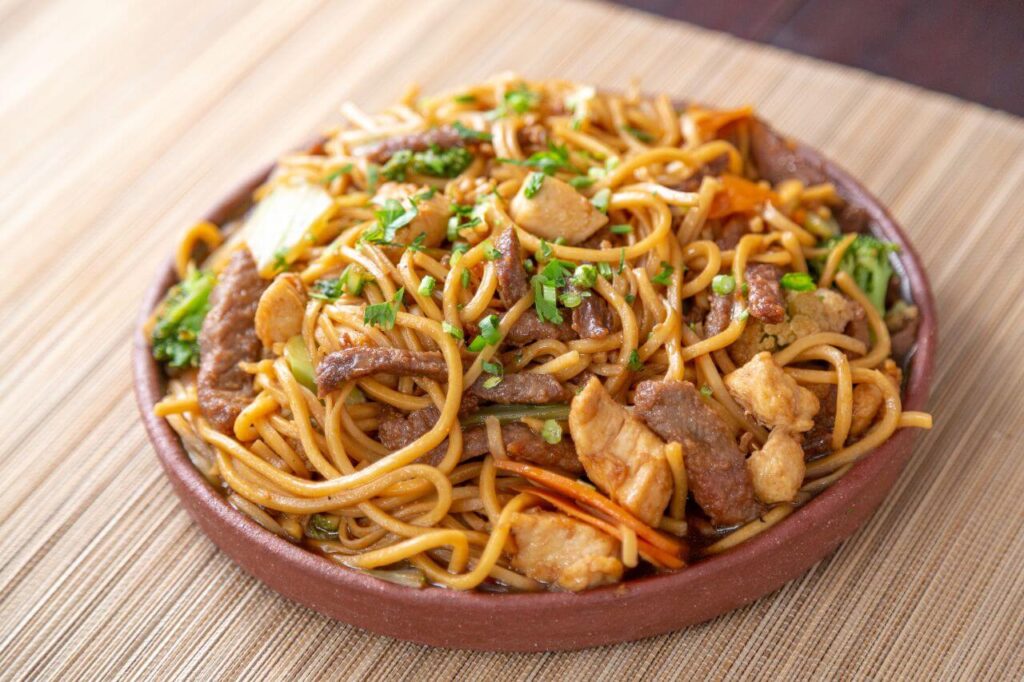
Beef Chow Mein is a quick and flavorful noodle dish made with tender strips of beef, chewy noodles, crisp vegetables, and a savory stir-fry sauce. Everything comes together in one hot skillet or wok, making it an easy choice for a busy weeknight dinner.
This easy Beef Chow Mein recipe combines soy sauce, oyster sauce, garlic, and sesame oil to create a rich sauce that coats every noodle. The vegetables add freshness and crunch, while thinly sliced beef makes the dish hearty and satisfying.
Beef Chow Mein Recipe at a Glance
- Prep Time: 15 minutes
- Cook Time: 15 minutes
- Total Time: 30 minutes
- Servings: 4
- Cuisine: Chinese-inspired
- Main Ingredients: Beef and noodles
- Best Served: Hot, straight from the skillet
Ingredients
For the Beef
- 1 lb beef sirloin, thinly sliced
- 1 tbsp soy sauce
- 1 tsp cornstarch
- 1 tbsp vegetable oil
- 1/2 tsp black pepper
For the Chow Mein
- 12 oz chow mein noodles
- 2 tbsp vegetable oil
- 1 small onion, thinly sliced
- 1 cup shredded cabbage
- 1 medium carrot, julienned
- 1 red bell pepper, thinly sliced
- 2 cloves garlic, minced
- 3 green onions, sliced
For the Sauce
- 3 tbsp soy sauce
- 2 tbsp oyster sauce
- 1 tbsp hoisin sauce
- 1 tbsp sesame oil
- 1 tsp brown sugar
- 1/4 cup water
- 1/2 tsp black pepper
How to Make Beef Chow Mein
1. Prepare the Beef
Slice the beef thinly against the grain. Cutting across the muscle fibers helps make the beef easier to chew after stir-frying.
Place the beef in a bowl and add 1 tablespoon soy sauce, cornstarch, vegetable oil, and black pepper.
Toss well until every piece is lightly coated. Let it sit for about 10 minutes while you prepare the remaining ingredients.
2. Prepare the Noodles
Cook the chow mein noodles according to the package directions.
Do not overcook them. They should be tender but still slightly firm because they will cook again in the skillet.
Drain the noodles thoroughly and set them aside.
If the noodles are sticking together, toss them with a small amount of oil.
3. Mix the Sauce
In a small bowl, combine the soy sauce, oyster sauce, hoisin sauce, sesame oil, brown sugar, water, and black pepper.
Stir until the brown sugar is mostly dissolved.
Preparing the sauce before cooking makes the stir-frying process much easier because everything cooks quickly.
4. Cook the Beef
Heat 1 tablespoon of vegetable oil in a large skillet or wok over high heat.
Add the beef in a single layer. If your skillet is small, cook the beef in two batches.
Stir-fry for about 2–3 minutes, turning the pieces as they brown.
Once the beef is cooked through and lightly browned, transfer it to a clean plate.
5. Stir-Fry the Vegetables
Add the remaining tablespoon of oil to the same skillet.
Add the onion, carrot, bell pepper, and cabbage.
Stir-fry for about 3–4 minutes. The vegetables should soften slightly while keeping some of their natural crunch.
Add the minced garlic and cook for another 30 seconds.
6. Add the Noodles
Add the cooked chow mein noodles to the skillet with the vegetables.
Use tongs or two spatulas to gently toss everything together.
Cook for about 1–2 minutes, allowing the noodles to become hot and pick up some of the flavor from the skillet.
7. Add the Sauce and Beef
Pour the prepared sauce over the noodles.
Return the cooked beef to the skillet.
Toss everything together over high heat for approximately 2–3 minutes, making sure the sauce coats the noodles, beef, and vegetables evenly.
The noodles should look glossy and well coated without being watery.
8. Finish and Serve
Turn off the heat and stir in the sliced green onions.
Serve the Beef Chow Mein immediately while the noodles are hot.
Add extra green onions or a small sprinkle of sesame seeds if desired.
Why You’ll Love This Beef Chow Mein
This Beef Chow Mein is fast, filling, and packed with contrasting textures. The beef is tender and savory, the noodles are chewy, and the vegetables provide a fresh crunch.
The sauce brings everything together with a combination of salty soy sauce, rich oyster sauce, slightly sweet hoisin sauce, and fragrant sesame oil.
Because the ingredients cook quickly over high heat, this is also a practical dinner when you don’t have much time.
Ingredient Notes
Beef sirloin: Sirloin is a good choice because it can be sliced thinly and cooked quickly. Cutting it against the grain is especially important for tender results.
Chow mein noodles: Fresh or dried chow mein noodles can work depending on what is available. Follow the package cooking instructions.
Cabbage: Cabbage adds crunch and holds up well during stir-frying.
Carrots: Thinly slicing or julienning the carrots helps them cook quickly without becoming too soft.
Oyster sauce: Oyster sauce gives the stir-fry a deep savory flavor and slightly glossy finish.
Hoisin sauce: Hoisin adds a mild sweetness and helps balance the salty ingredients.
Sesame oil: A small amount adds a distinct nutty aroma. Add it toward the sauce rather than using it as the main frying oil.
How Do You Make Beef Chow Mein Without Soggy Noodles?
The key is to avoid overcooking the noodles and to drain them well before adding them to the skillet.
Use high heat and don’t overcrowd the pan. Too many ingredients release moisture, which can cause the noodles to steam instead of stir-fry.
Also, don’t add more sauce than necessary. The noodles should be coated and glossy rather than sitting in liquid.
How Do You Keep Beef Tender in Chow Mein?
Slice the beef thinly and cut across the grain.
A short coating of soy sauce and cornstarch also helps protect the beef during high-heat cooking.
Most importantly, don’t cook the beef for too long. Once it is browned and cooked through, remove it from the skillet and add it back near the end.
Can You Make Beef Chow Mein Ahead of Time?
Yes, but Beef Chow Mein is best when served immediately because the noodles are at their freshest.
If you are preparing it for meal prep, cook it slightly less than you normally would and store it in airtight containers.
Refrigerate for up to 3 days and reheat in a hot skillet with a small splash of water.
Beef Chow Mein Variations
Chicken Chow Mein: Replace the beef with thinly sliced chicken breast or boneless chicken thighs.
Shrimp Chow Mein: Use peeled shrimp instead of beef and add them toward the end because shrimp cook quickly.
Vegetable Chow Mein: Leave out the beef and add more cabbage, broccoli, mushrooms, bell peppers, carrots, or snap peas.
Spicy Beef Chow Mein: Add chili flakes, chili oil, or sliced fresh chilies to the sauce.
Garlic Beef Chow Mein: Add additional minced garlic for a stronger savory flavor.
Beef Chow Mein with broccoli: Add small broccoli florets along with the other vegetables for extra texture.
What to Serve With Beef Chow Mein
Beef Chow Mein can be served as a complete meal, but you can pair it with:
- Spring rolls
- Dumplings
- Steamed vegetables
- Cucumber salad
- Egg rolls
- Wonton soup
- Asian-style slaw
- Steamed edamame
How to Store Leftover Beef Chow Mein
Allow the noodles to cool slightly before transferring them to an airtight container.
Refrigerate leftovers and use within 3 days.
Reheat in a skillet over medium-high heat. Add a small splash of water if the noodles have dried out.
Microwaving also works, but reheating in a skillet helps bring back some of the stir-fried texture.
Frequently Asked Questions
What type of beef is best for Beef Chow Mein?
Sirloin works particularly well because it cooks quickly and remains tender when thinly sliced. Flank steak can also be used if sliced against the grain.
What noodles are used for Chow Mein?
Chow mein is typically made with wheat-based noodles. Fresh or dried chow mein noodles can be used depending on availability.
Can I use spaghetti instead of chow mein noodles?
Yes, if chow mein noodles aren’t available. Spaghetti won’t have exactly the same texture, but it can work as a convenient substitute.
Can I make Beef Chow Mein without oyster sauce?
Yes. You can leave it out, although the finished dish will have less savory depth. You can slightly increase the soy sauce and hoisin sauce to compensate.
Is Beef Chow Mein spicy?
Traditional Beef Chow Mein is generally savory rather than spicy. Add chili oil or fresh chilies if you want some heat.
Can I add more vegetables?
Absolutely. Broccoli, mushrooms, bean sprouts, snow peas, baby corn, and bok choy all work well in a stir-fry.
Final Thoughts
This easy Beef Chow Mein brings tender beef, chewy noodles, crisp vegetables, and a savory homemade sauce together in one skillet. It takes about 30 minutes from start to finish, making it an excellent option for a quick family dinner.
For the best results, slice the beef thinly against the grain, keep the skillet hot, avoid overcrowding it, and add the cooked noodles and sauce near the end. Serve immediately while the noodles are glossy and the vegetables are still crisp.
For safe storage times, follow the USDA leftovers and food safety guidelines. More skillet dinners to try: our teriyaki chicken and this beef stroganoff.
Related Posts

Stay Informed With the Latest & Most Important News
Previous Post
Next Post



Advertisement