



Now Reading: Easy Chicken Karahi Recipe | Pakistani Chicken Curry
-
01
Easy Chicken Karahi Recipe | Pakistani Chicken Curry
Easy Chicken Karahi Recipe | Pakistani Chicken Curry

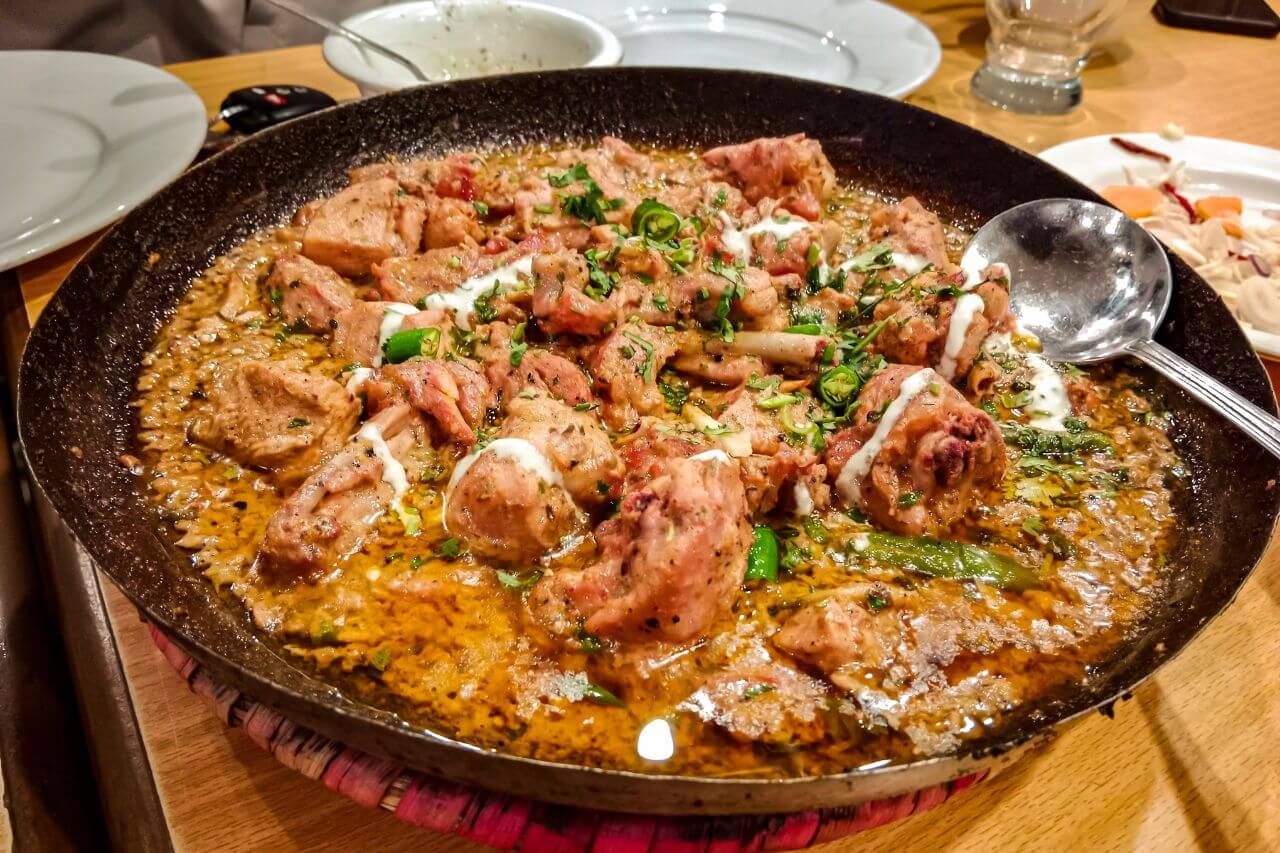
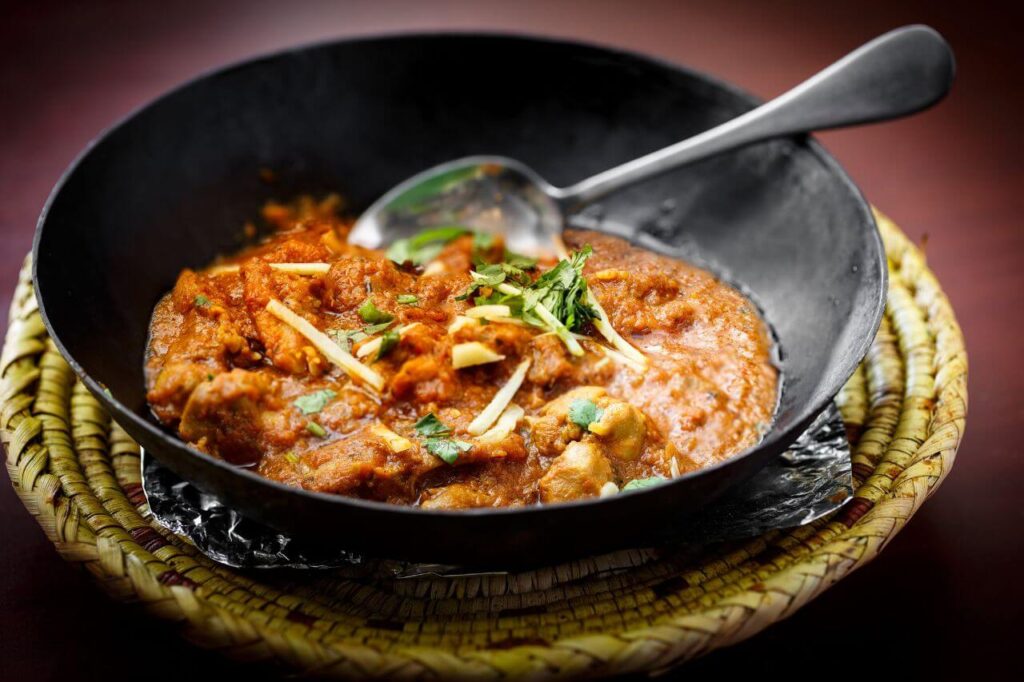
Chicken Karahi is a classic Pakistani-style chicken curry known for its bold tomato flavor, fresh ginger, garlic, green chilies, and fragrant spices. Unlike many creamy curries, traditional-style karahi gets much of its character from freshly cooked tomatoes and a generous finishing touch of ginger and cilantro.
The chicken is cooked in a hot karahi or heavy skillet until beautifully coated in a thick, flavorful masala. Serve it with fresh naan, roti, or chapati, and don’t forget extra ginger and green chilies on top.
Recipe at a Glance
- Prep Time: 15 minutes
- Cook Time: 35 minutes
- Total Time: About 50 minutes
- Servings: 4–6
- Cuisine: Pakistani
- Best Served With: Naan, roti, or chapati
- Cooking Pan: Karahi, wok, or heavy skillet
Ingredients
For the Chicken Karahi
- 1 1/2 pounds bone-in chicken pieces
- 4 tablespoons vegetable oil
- 1 medium onion, finely chopped
- 4 cloves garlic, minced
- 1 tablespoon fresh ginger, grated
- 4 medium tomatoes, finely chopped
- 1 teaspoon cumin seeds
- 1 teaspoon ground coriander
- 1 teaspoon ground cumin
- 1/2 teaspoon turmeric
- 1 teaspoon red chili powder
- 1 teaspoon salt, or to taste
- 1/2 teaspoon black pepper
- 1/2 teaspoon garam masala
- 3–4 green chilies, sliced
- 1/2 cup water, as needed
- 2 tablespoons fresh cilantro, chopped
For Garnishing
- 1 tablespoon fresh ginger, cut into thin strips
- 1–2 green chilies, sliced
- Fresh cilantro
- Lemon wedges, optional
How to Make Chicken Karahi
1. Heat the Oil
Place a karahi, wok, or large heavy-bottomed skillet over medium-high heat.
Add the vegetable oil and let it heat until shimmering.
Chicken karahi benefits from a hot pan because it helps the chicken develop better color and allows the tomato masala to cook down properly.
2. Sauté the Aromatics
Add the cumin seeds and let them sizzle for about 20–30 seconds.
Add the chopped onion and cook for 4–5 minutes, stirring occasionally, until softened and lightly golden.
Add the minced garlic and grated ginger.
Cook for another 30–60 seconds, just until fragrant.
3. Add the Chicken
Add the chicken pieces to the hot pan.
Cook for about 6–8 minutes, stirring occasionally, until the chicken loses its raw color and develops some golden edges.
Don’t worry about cooking the chicken completely at this stage. It will continue cooking as the curry develops.
4. Add the Tomatoes
Add the chopped tomatoes to the pan.
Stir everything together and cook for about 8–10 minutes, stirring occasionally.
The tomatoes will release their juices and begin breaking down into a thick sauce.
5. Add the Spices
Add the ground coriander, ground cumin, turmeric, red chili powder, salt, and black pepper.
Stir well so the spices coat the chicken and tomatoes.
Cook for another 3–4 minutes.
At this point, the oil should begin separating slightly from the tomato mixture. This is a useful sign that the masala has cooked down.
6. Simmer the Chicken
Add about 1/2 cup water and stir.
Reduce the heat to medium-low, cover the pan, and cook for about 10–12 minutes, or until the chicken is completely cooked through and tender.
If you’re using smaller boneless pieces, they may need less time.
7. Cook Down the Masala
Remove the lid and increase the heat to medium.
Cook uncovered for another 3–5 minutes, stirring occasionally.
The sauce should become thick and cling closely to the chicken rather than looking watery.
8. Finish With Chilies and Garam Masala
Add the sliced green chilies and garam masala.
Stir and cook for another 1–2 minutes.
Taste the karahi and adjust the salt or chili if needed.
9. Garnish and Serve
Turn off the heat.
Top the chicken karahi with fresh ginger strips, sliced green chilies, and plenty of chopped cilantro.
Serve immediately with hot naan, roti, or chapati.
A squeeze of fresh lemon juice can add a bright finishing note.
What Makes Chicken Karahi Different?
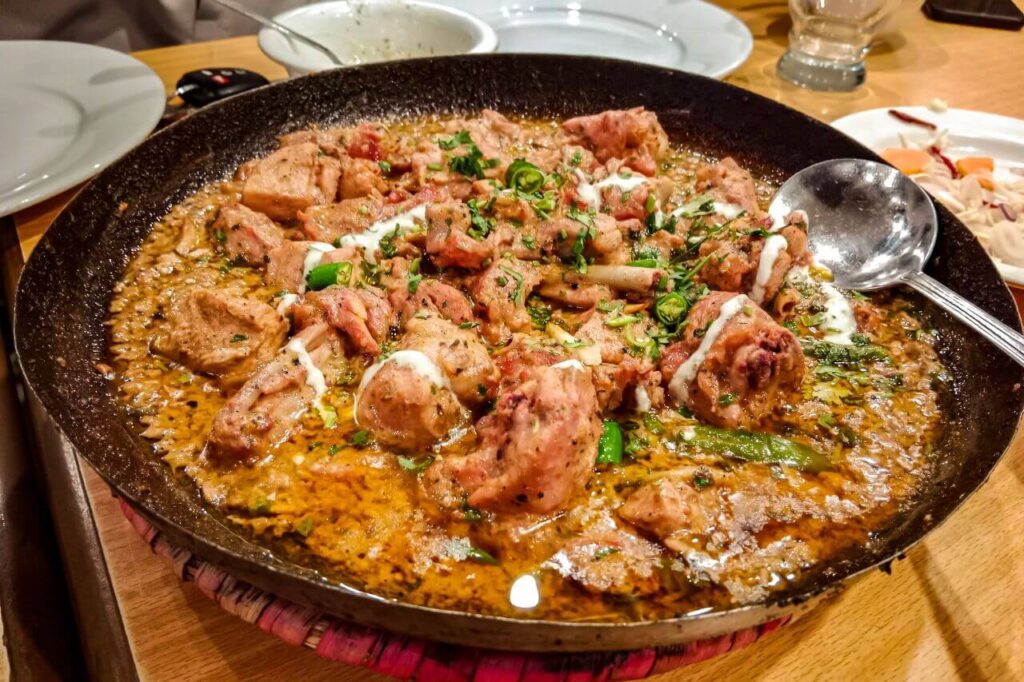
Chicken karahi is known for its thick, concentrated tomato masala and fresh finishing ingredients.
Unlike richer cream-based curries, this dish doesn’t need a large amount of cream or coconut milk. The flavor comes from cooking the tomatoes down with garlic, ginger, chilies, and spices until they form a thick coating around the chicken.
Fresh ginger and green chilies added near the end give the finished dish its characteristic fresh, lively flavor.
Ingredient Notes
Chicken: Bone-in chicken pieces add plenty of flavor and stay juicy during cooking. You can use boneless chicken if you prefer.
Tomatoes: Ripe tomatoes are especially important because they form the main sauce. Use flavorful, juicy tomatoes for the best result.
Ginger: Fresh ginger gives karahi a much brighter flavor than dried ginger powder.
Green chilies: These add fresh heat and aroma. Adjust the quantity according to your preferred spice level.
Cumin seeds: Tempering them in hot oil releases their earthy aroma.
Garam masala: Add it toward the end so its warm fragrance remains noticeable.
Cilantro: Fresh cilantro provides a bright contrast to the rich tomato masala.
How Do You Make Chicken Karahi Taste Like a Restaurant?
A hot pan and properly cooked masala make a big difference.
Don’t add too much water at once. Let the tomatoes cook down until their moisture has reduced and the oil begins to separate from the masala.
For extra flavor, allow the chicken to develop some golden edges before adding the tomatoes. Finish with fresh ginger, green chilies, and cilantro just before serving.
Why Is My Chicken Karahi Watery?
The most common reason is that the tomatoes have not cooked down enough.
After the chicken is cooked, remove the lid and simmer the karahi uncovered over medium heat. Stir occasionally until the excess liquid evaporates and the masala becomes thick.
The finished sauce should coat the chicken rather than pool around it.
Can I Make Chicken Karahi Without Onion?
Yes. Some versions of chicken karahi use little or no onion and rely mainly on tomatoes, ginger, garlic, chilies, and spices.
If you prefer a more tomato-forward karahi, you can reduce the onion while keeping the rest of the recipe the same.
How Do You Make Chicken Karahi Less Spicy?
Reduce the red chili powder and use fewer green chilies.
You can still keep the ginger, garlic, cumin, coriander, and garam masala for plenty of flavor without making the curry very hot.
If the finished dish is too spicy, serving it with plain yogurt or raita can provide a cooling contrast.
Can You Use Boneless Chicken?
Yes. Boneless chicken thighs are especially good because they remain tender during cooking.
Boneless chicken breast can also be used, but it cooks faster, so keep an eye on it and avoid simmering it for longer than necessary.
Easy Chicken Karahi Variations
You can make small changes depending on what you enjoy.
Try:
- Adding extra fresh ginger
- Using more green chilies
- Adding freshly crushed black pepper
- Using chicken thighs instead of mixed pieces
- Adding a small amount of butter at the end
- Finishing with fresh lemon juice
- Adding a pinch of dried fenugreek leaves for a slightly different aroma
For a richer version, a small amount of cream can be added, although it will give the dish a different character from a traditional tomato-based karahi.
What to Serve With Chicken Karahi
Chicken karahi is made for serving with warm bread.
Try it with:
- Garlic naan
- Plain naan
- Tandoori roti
- Chapati
- Roti
- Basmati rice
- Jeera rice
- Cucumber raita
- Fresh salad
A simple onion and cucumber salad with lemon is especially refreshing alongside the spicy tomato masala.
Can You Make Chicken Karahi Ahead of Time?
Yes. Chicken karahi can be prepared ahead and reheated gently.
In fact, allowing the curry to rest can give the spices and tomato masala more time to come together.
Store the cooked karahi in a covered container in the refrigerator and reheat it over low to medium heat. Add a small splash of water if the masala has become too thick.
How to Store Chicken Karahi
Allow the karahi to cool before transferring it to an airtight container.
Refrigerate for up to 3 days.
You can also freeze it for up to 2–3 months. Thaw it in the refrigerator overnight and reheat thoroughly on the stovetop.
Add fresh cilantro and ginger after reheating for the best flavor.
Frequently Asked Questions
What is chicken karahi made of?
Chicken karahi is primarily made with chicken, tomatoes, ginger, garlic, green chilies, oil, and aromatic spices such as cumin, coriander, turmeric, chili powder, and garam masala.
Is Chicken Karahi spicy?
It can be. The heat mainly comes from red chili powder and green chilies, so you can easily adjust both according to your taste.
What type of chicken is best for karahi?
Bone-in chicken gives the curry a rich flavor, while boneless chicken thighs are a convenient option that stays tender.
Can I make chicken karahi without a karahi?
Yes. A wok or large heavy-bottomed skillet works well. The important thing is to use a pan that distributes heat evenly and gives you enough space to cook the chicken without overcrowding.
How thick should chicken karahi be?
The finished masala should be thick and concentrated, coating the chicken rather than forming a thin gravy.
Final Thoughts
Chicken Karahi is all about bold, fresh flavor. Juicy chicken, ripe tomatoes, garlic, ginger, green chilies, and warm spices come together in a thick masala that is incredibly satisfying with freshly baked naan or roti.
Take time to cook the tomatoes down, let the chicken develop some color, and finish generously with fresh ginger, chilies, and cilantro. Those final touches give homemade chicken karahi its unmistakable character.
Related Posts
Stay Informed With the Latest & Most Important News
Previous Post
Next Post



Advertisement
