






Now Reading: Easy Vegetable Stir-Fry Recipe – Quick & Healthy Dinner
-
01
Easy Vegetable Stir-Fry Recipe – Quick & Healthy Dinner

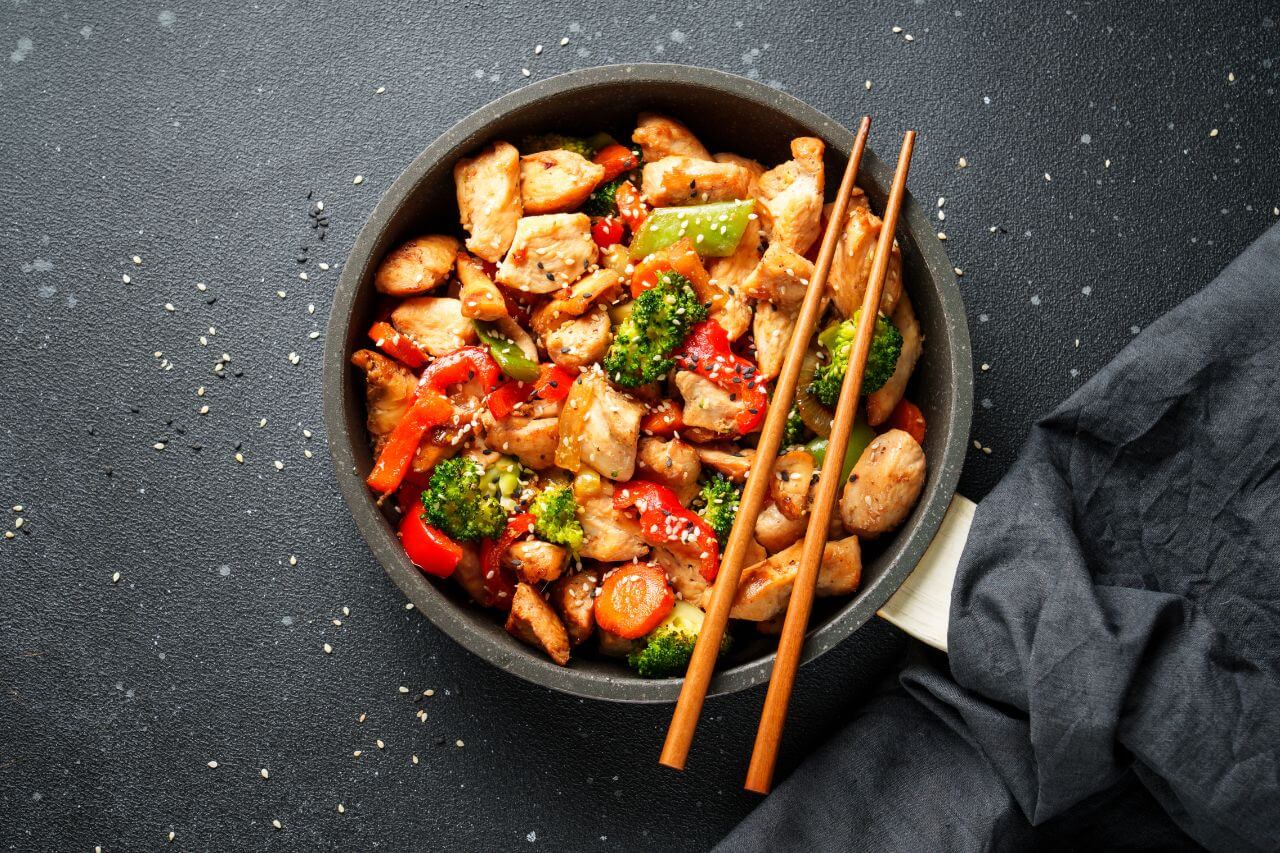
Vegetable Stir-Fry is a quick, colorful, and flavorful meal made with fresh vegetables cooked over high heat and coated in a simple savory sauce. The vegetables stay slightly crisp while garlic, ginger, and soy sauce add plenty of flavor without making the dish heavy.
This easy Vegetable Stir-Fry comes together in about 20 minutes, making it a practical choice for busy weeknights. Serve it over steamed rice or noodles for a complete meal, or enjoy it on its own as a light vegetable dish.
Vegetable Stir-Fry Recipe at a Glance
- Prep Time: 10 minutes
- Cook Time: 10 minutes
- Total Time: 20 minutes
- Servings: 4
- Cuisine: Asian-inspired
- Main Ingredients: Mixed vegetables, garlic, ginger, and soy sauce
- Best Served With: Steamed rice or noodles
Ingredients
For the Stir-Fry
- 2 tbsp vegetable oil
- 1 medium onion, sliced
- 2 cloves garlic, minced
- 1 tbsp fresh ginger, finely grated
- 1 red bell pepper, sliced
- 1 yellow bell pepper, sliced
- 1 medium carrot, thinly sliced
- 1 cup broccoli florets
- 1 cup sliced mushrooms
- 1 cup snow peas
- ½ cup baby corn
For the Stir-Fry Sauce
- ¼ cup soy sauce
- 1 tbsp sesame oil
- 1 tbsp honey
- 1 tbsp rice vinegar
- 1 tsp cornstarch
- 2 tbsp water
- ¼ tsp black pepper
For Serving
- Steamed white or brown rice
- Cooked noodles, optional
- Sesame seeds
- Sliced green onions
How to Make Vegetable Stir-Fry
1. Prepare the Vegetables
Wash and prepare all the vegetables before you start cooking.
Slice the onion and bell peppers into thin strips. Cut the carrot into thin pieces and separate the broccoli into small, bite-sized florets.
Slice the mushrooms and trim the snow peas.
Try to keep the vegetables relatively similar in size so they cook evenly.
Because stir-frying happens quickly, having everything prepared before heating the pan makes the process much easier.
2. Make the Stir-Fry Sauce
In a small bowl, combine soy sauce, sesame oil, honey, rice vinegar, cornstarch, water, and black pepper.
Whisk until the cornstarch has completely dissolved.
Set the sauce aside.
The cornstarch helps the sauce thicken slightly and allows it to cling to the vegetables.
3. Heat the Pan
Place a large wok or wide skillet over high heat.
Allow it to become very hot before adding the oil.
Pour in the vegetable oil and swirl it around the pan.
A hot cooking surface is important because the vegetables should cook quickly while retaining some of their natural crunch.
4. Cook the Aromatics
Add the sliced onion to the hot oil.
Stir-fry for about 1 minute.
Add the minced garlic and grated ginger.
Cook for another 20–30 seconds, stirring constantly.
The garlic and ginger should become fragrant but should not burn.
5. Add the Harder Vegetables
Add the carrots and broccoli first because they take longer to cook.
Stir-fry for approximately 2–3 minutes.
Keep the vegetables moving around the pan so they cook evenly.
6. Add the Remaining Vegetables
Add the bell peppers, mushrooms, snow peas, and baby corn.
Continue stir-frying for approximately 3–4 minutes.
The vegetables should become brightly colored and tender-crisp rather than soft and mushy.
If the pan becomes crowded, cook the vegetables in batches. Overcrowding can cause the vegetables to release too much moisture and steam instead of stir-frying.
7. Add the Sauce
Give the prepared sauce another quick stir because the cornstarch may have settled at the bottom.
Pour it over the vegetables.
Toss everything together continuously for about 1–2 minutes.
The sauce should quickly become glossy and slightly thick, coating the vegetables evenly.
8. Finish the Stir-Fry
Turn off the heat once the vegetables are coated and the sauce has thickened.
Taste and adjust the seasoning if needed.
Remember that soy sauce is already salty, so you may not need additional salt.
9. Serve
Transfer the vegetable stir-fry to a serving dish.
Sprinkle with sesame seeds and sliced green onions.
Serve immediately over steamed rice or cooked noodles.
Why You’ll Love This Vegetable Stir-Fry
This Vegetable Stir-Fry is fast, colorful, and easy to customize.
The vegetables are cooked quickly at high heat, which helps them maintain their texture and bright color. The sauce adds a balance of salty, sweet, tangy, and savory flavors.
It is also an excellent way to turn a selection of everyday vegetables into a satisfying meal without spending a long time in the kitchen.
Ingredient Notes
Broccoli: Broccoli adds texture and absorbs the sauce well. Cut it into small florets so it cooks quickly.
Bell peppers: They add sweetness, color, and a slight crunch.
Carrots: Thinly sliced carrots cook faster and add natural sweetness.
Mushrooms: Mushrooms provide a savory, meaty texture and absorb the stir-fry sauce.
Snow peas: Snow peas stay crisp and provide a fresh contrast to the softer vegetables.
Garlic and ginger: These aromatics form the flavorful base of the stir-fry.
Soy sauce: Soy sauce provides the main salty, savory flavor in the sauce.
Sesame oil: A small amount gives the dish a distinctive nutty aroma.
Honey: Honey balances the saltiness of the soy sauce with gentle sweetness.
Rice vinegar: Rice vinegar adds acidity and keeps the sauce from tasting too heavy.
Cornstarch: Cornstarch thickens the sauce so it clings to the vegetables.
What Vegetables Are Best for Stir-Fry?
A good stir-fry combines vegetables with different colors, textures, and cooking times.
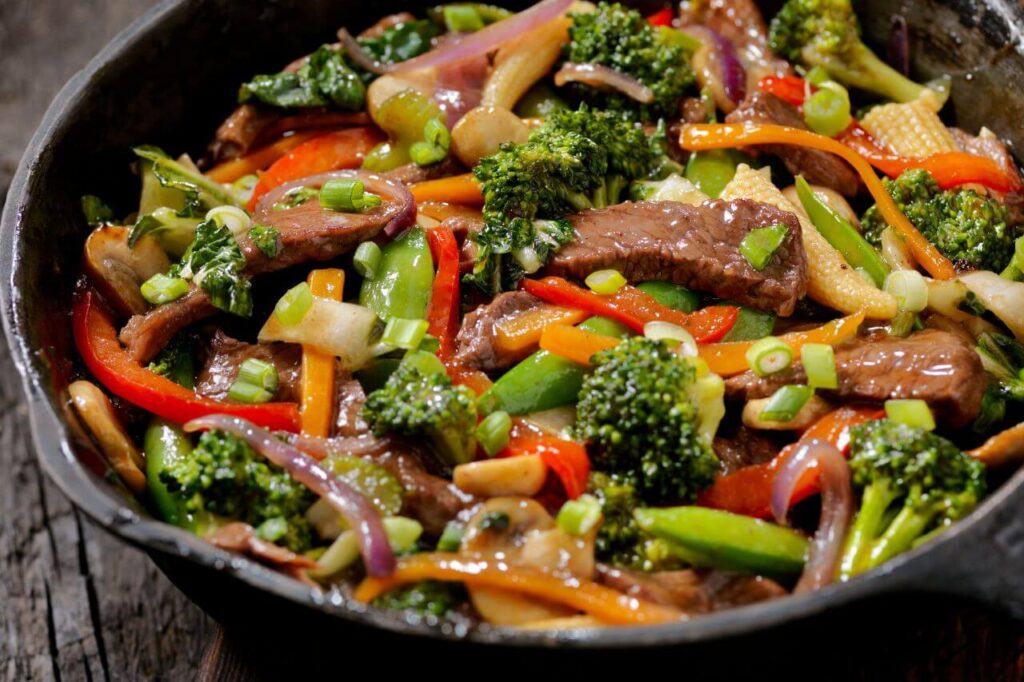
Broccoli, carrots, bell peppers, mushrooms, snow peas, baby corn, cabbage, zucchini, and green beans all work well.
The important thing is to cut vegetables according to how quickly they cook. Harder vegetables should go into the pan first, while softer vegetables can be added later.
How Do You Keep Stir-Fry Vegetables Crisp?
The key is high heat and quick cooking.
Use a large wok or skillet and avoid overcrowding it.
If too many vegetables are added at once, they release moisture and lower the temperature of the pan. Instead of developing a lightly browned surface, the vegetables begin steaming.
Cooking in batches is better if you are working with a smaller pan.
Should You Cook Vegetables Before Stir-Frying?
Usually, you don’t need to fully cook them beforehand.
Simply add the vegetables according to their cooking time.
Start with firm vegetables such as carrots and broccoli, followed by peppers, mushrooms, snow peas, and other softer vegetables.
This keeps everything from becoming overcooked.
How Do You Make Stir-Fry Sauce From Scratch?
A basic homemade stir-fry sauce can be made with soy sauce, sesame oil, a little sweetness, an acidic ingredient such as rice vinegar, and cornstarch.
The soy sauce provides saltiness and umami, honey adds balance, rice vinegar adds brightness, and cornstarch creates a glossy texture.
You can adjust the proportions depending on how strong or mild you want the sauce to be.
Vegetable Stir-Fry Variations
Spicy Vegetable Stir-Fry: Add red pepper flakes, chili sauce, or sliced fresh chili peppers.
Vegetable Tofu Stir-Fry: Add cubes of firm tofu for extra protein.
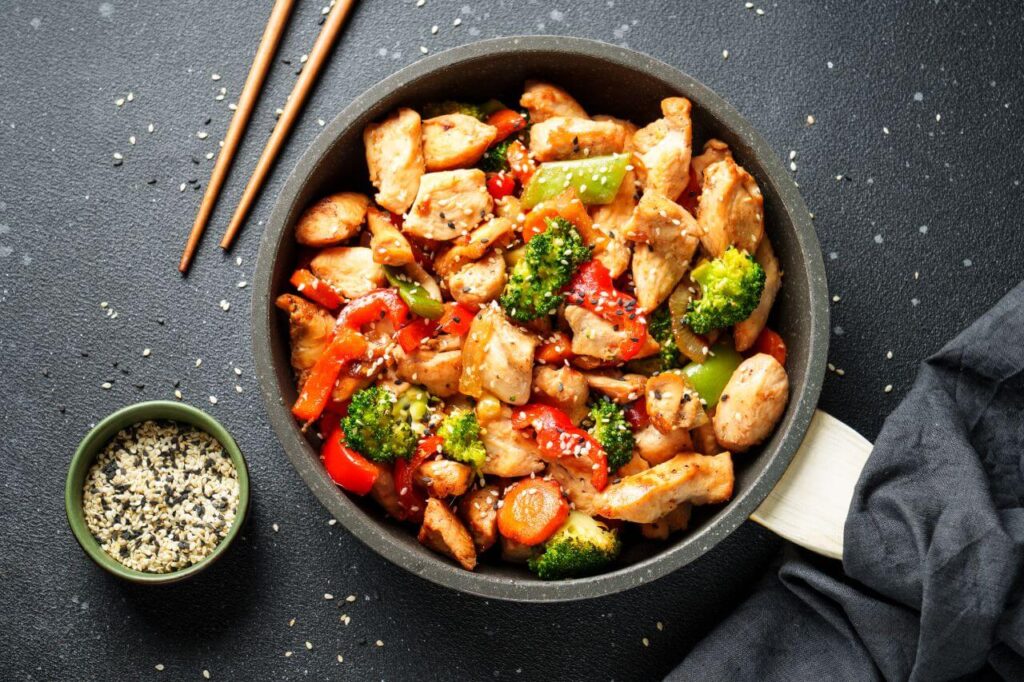
Chicken Vegetable Stir-Fry: Add thinly sliced chicken breast or thighs and cook them completely before adding the vegetables.
Beef Vegetable Stir-Fry: Use thin strips of beef and quickly sear them before cooking the vegetables.
Cashew Vegetable Stir-Fry: Add roasted cashews at the end for crunch.
Noodle Stir-Fry: Toss cooked noodles directly into the finished vegetables and sauce.
Garlic Vegetable Stir-Fry: Increase the amount of fresh garlic for a stronger savory flavor.
What to Serve With Vegetable Stir-Fry
This stir-fry works well with simple sides and starches.
- Steamed white rice
- Brown rice
- Fried rice
- Egg noodles
- Rice noodles
- Chow mein noodles
- Steamed dumplings
- Spring rolls
For a quick dinner, steamed rice is all you need.
Can You Make Vegetable Stir-Fry Ahead of Time?
Vegetable stir-fry is best served immediately because the vegetables are at their crispest when freshly cooked.
However, you can prepare the vegetables and sauce ahead of time.
Chop all the vegetables, mix the sauce, and refrigerate them separately until you’re ready to cook.
This makes the actual stir-frying process take only a few minutes.
How to Store Leftover Vegetable Stir-Fry
Allow the stir-fry to cool before transferring it to an airtight container.
Refrigerate for up to 3 days.
Reheat it quickly in a hot skillet or wok. This helps the vegetables retain more texture than slow reheating.
You can also microwave individual portions, although the vegetables may become softer.
Frequently Asked Questions
What oil is best for vegetable stir-fry?
Use a neutral oil with a high smoke point, such as vegetable, canola, sunflower, or peanut oil.
Can I use frozen vegetables?
Yes. Frozen vegetables can work, but avoid adding too many at once because they can release water and make the stir-fry soggy. If possible, thaw and drain them first.
Why is my vegetable stir-fry watery?
The pan may not have been hot enough, or too many vegetables may have been added at once. Use high heat and a large wok or skillet, and cook in batches if necessary.
Can I make vegetable stir-fry without soy sauce?
Yes. You can use a suitable soy sauce alternative if needed, although the flavor will be different.
How do I make vegetable stir-fry spicy?
Add sliced fresh chili, chili flakes, chili sauce, or another spicy condiment to the sauce.
Can I add protein to this stir-fry?
Yes. Chicken, beef, shrimp, tofu, or eggs can be added. Cook the protein separately or before the vegetables so everything cooks properly.
Is Vegetable Stir-Fry healthy?
A vegetable stir-fry can be a nutrient-rich meal because it contains a variety of vegetables. The amount of oil and sauce affects the overall nutritional content.
Final Thoughts
This Easy Vegetable Stir-Fry is a fast and flexible meal packed with colorful vegetables and a simple homemade sauce.
The most important part is preparing everything before you turn on the heat. Cook the vegetables according to their texture, keep the pan hot, avoid overcrowding, and add the sauce only near the end.
Serve it immediately with steamed rice or noodles for a simple homemade dinner that comes together in about 20 minutes.
Related Posts

Stay Informed With the Latest & Most Important News
Previous Post
Next Post





Advertisement
