





Now Reading: How to Make Easy Homemade Cinnamon Rolls
-
01
How to Make Easy Homemade Cinnamon Rolls

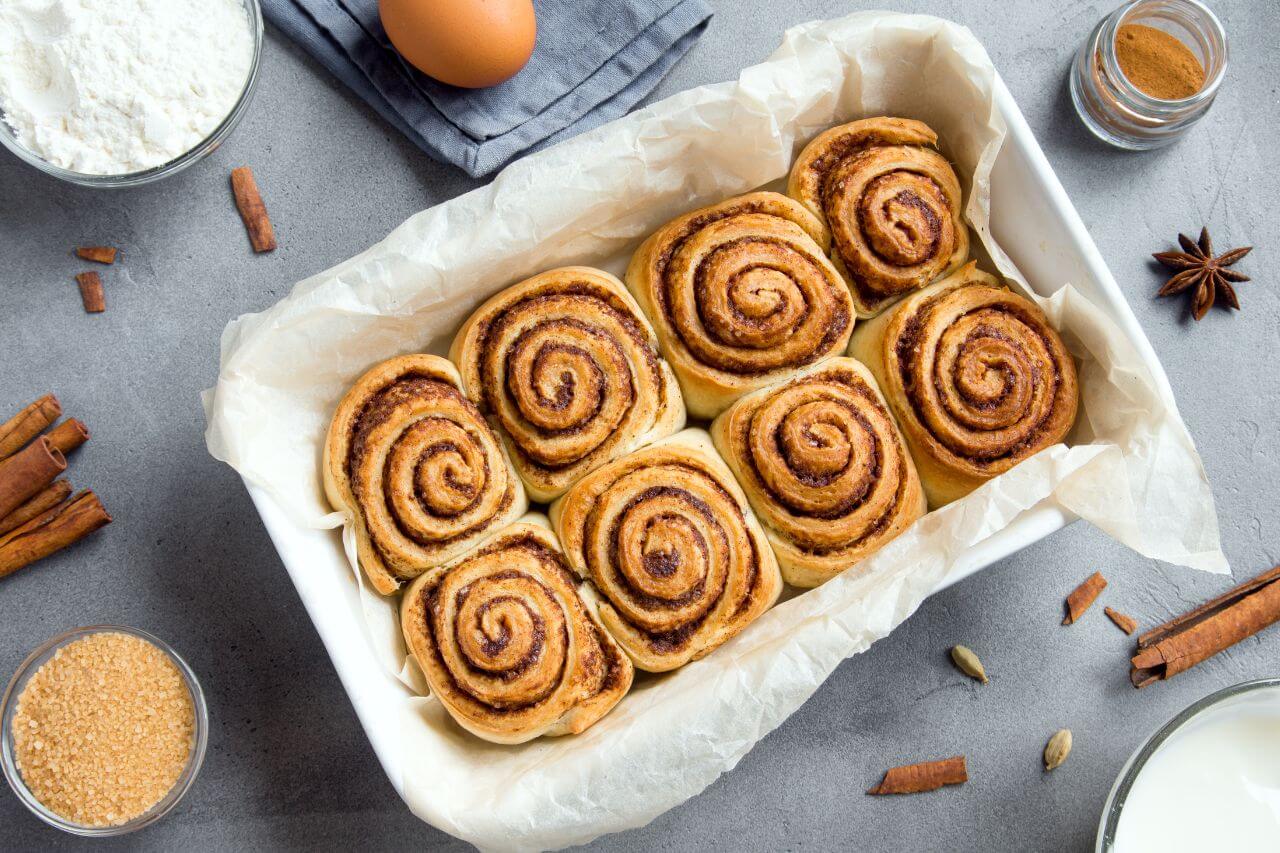
These easy homemade cinnamon rolls are soft, fluffy, buttery, and filled with a warm cinnamon-sugar mixture. They’re finished with a simple creamy glaze that melts slightly over the warm rolls, making them perfect for breakfast, brunch, or a comforting homemade dessert.
The dough does need time to rise, but the actual preparation is straightforward. With a few simple steps and everyday ingredients, you can make soft cinnamon rolls from scratch right in your kitchen.
Ingredients
For the Dough
- 3 1/2 cups all-purpose flour
- 1/4 cup granulated sugar
- 2 1/4 tsp active dry yeast
- 1/2 tsp salt
- 3/4 cup warm milk
- 1/4 cup unsalted butter, melted
- 1 large egg
For the Cinnamon Filling
- 1/2 cup packed brown sugar
- 2 tbsp ground cinnamon
- 1/4 cup unsalted butter, softened
For the Glaze
- 4 oz cream cheese, softened
- 2 tbsp unsalted butter, softened
- 1 cup powdered sugar
- 1/2 tsp vanilla extract
- 2–3 tbsp milk
Step-by-Step Method
Step 1: Activate the Yeast
Add the warm milk and granulated sugar to a large bowl. Sprinkle the yeast over the top and let it stand for about 5–10 minutes.
The milk should be warm rather than hot. The yeast should become slightly foamy, which indicates that it is active.
Step 2: Make the Dough
Add the melted butter, egg, and salt to the yeast mixture. Stir to combine.
Gradually add the flour, mixing until a soft dough forms.
If the dough feels very sticky, add a little more flour, one tablespoon at a time. Avoid adding too much, as a slightly soft dough produces more tender cinnamon rolls.
Step 3: Knead the Dough
Transfer the dough to a lightly floured surface and knead for about 5–7 minutes, until it becomes smooth and elastic.
You can also knead it using a stand mixer fitted with a dough hook.
Step 4: Let the Dough Rise
Place the dough in a lightly greased bowl and cover it with a clean kitchen towel or plastic wrap.
Leave it in a warm place for about 1–1 1/2 hours, or until it has roughly doubled in size.
Step 5: Prepare the Filling
While the dough rises, combine the brown sugar and cinnamon in a small bowl.
Keep the softened butter ready for spreading over the dough.
Step 6: Roll Out the Dough
Once the dough has doubled in size, transfer it to a lightly floured surface.
Roll it into a rectangle approximately 15 x 10 inches.
Try to keep the thickness fairly even so the rolls bake uniformly.
Step 7: Add the Cinnamon Filling
Spread the softened butter evenly over the surface of the dough.
Sprinkle the cinnamon and brown sugar mixture evenly over the butter, leaving a small border around the edges.
Step 8: Roll the Dough
Starting from one of the longer sides, tightly roll the dough into a log.
Roll it evenly without pressing so hard that the filling gets pushed out.
Step 9: Cut the Rolls
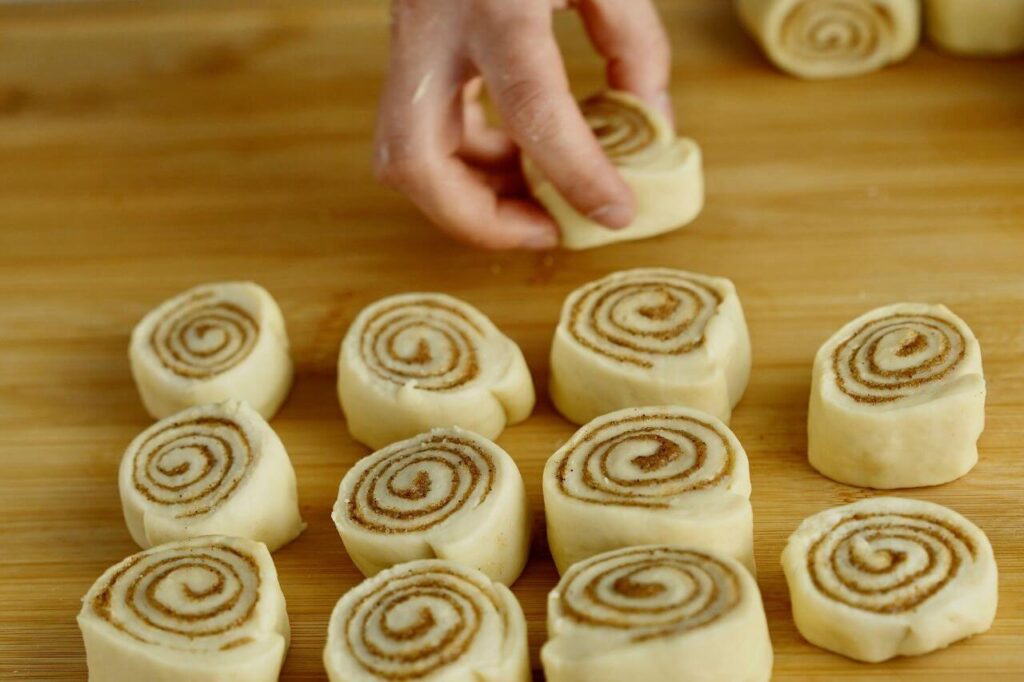
Use a sharp knife or unflavored dental floss to cut the log into 12 equal pieces.
Place the rolls cut-side up in a greased 9 x 13-inch baking dish, leaving a little space between them.
Step 10: Let Them Rise Again
Cover the baking dish and let the rolls rise for another 30–45 minutes.
They should look noticeably puffier before baking.
Step 11: Bake
Preheat the oven to 350°F (175°C).
Bake the cinnamon rolls for approximately 20–25 minutes, or until the tops are lightly golden and the centers are cooked through.
Avoid overbaking, as this can make the rolls dry.
Step 12: Make the Glaze
While the rolls are baking, beat the softened cream cheese and butter together until smooth.
Add the powdered sugar and vanilla, then gradually mix in the milk until the glaze reaches a smooth, spreadable consistency.
Step 13: Glaze and Serve
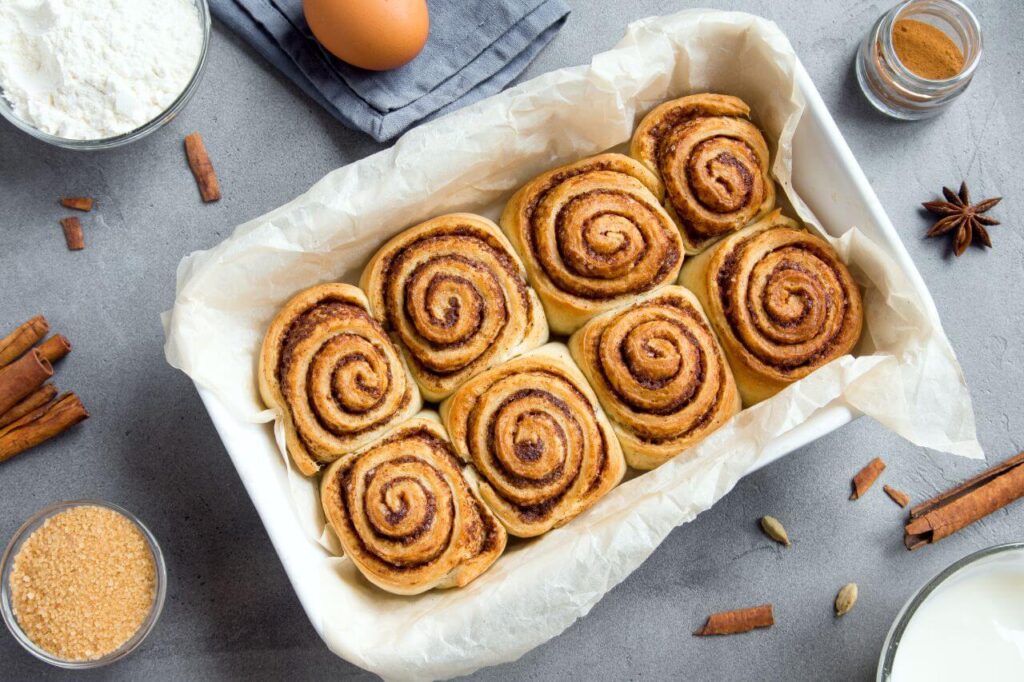
Allow the cinnamon rolls to cool for about 5–10 minutes after removing them from the oven.
Spread the cream cheese glaze over the warm rolls and serve.



Complete Recipe Summary
Prep Time: 30 minutes
First Rise: 1–1 1/2 hours
Second Rise: 30–45 minutes
Cook Time: 20–25 minutes
Total Time: About 3 hours
Servings: 12 rolls
Oven Temperature: 350°F (175°C)
Pan: 9 x 13-inch baking dish
Quick Ingredients
Dough
- 3 1/2 cups all-purpose flour
- 1/4 cup granulated sugar
- 2 1/4 tsp active dry yeast
- 1/2 tsp salt
- 3/4 cup warm milk
- 1/4 cup unsalted butter, melted
- 1 large egg
Filling
- 1/2 cup packed brown sugar
- 2 tbsp ground cinnamon
- 1/4 cup unsalted butter, softened
Glaze
- 4 oz cream cheese, softened
- 2 tbsp unsalted butter, softened
- 1 cup powdered sugar
- 1/2 tsp vanilla extract
- 2–3 tbsp milk
Quick Method
- Combine warm milk, sugar, and yeast and let stand for 5–10 minutes.
- Add melted butter, egg, salt, and flour to form a soft dough.
- Knead for 5–7 minutes until smooth and elastic.
- Cover and let rise for 1–1 1/2 hours, until doubled.
- Roll the dough into a 15 x 10-inch rectangle.
- Spread with softened butter and sprinkle with cinnamon and brown sugar.
- Roll tightly into a log and cut into 12 pieces.
- Place in a greased 9 x 13-inch pan and let rise for 30–45 minutes.
- Bake at 350°F (175°C) for 20–25 minutes.
- Mix the glaze ingredients and spread over the warm rolls.
Why You’ll Love These Cinnamon Rolls
These cinnamon rolls combine a soft yeast dough with a buttery cinnamon-sugar filling and creamy cream cheese glaze. The rolls are fluffy on the inside with lightly golden edges, while the filling becomes warm and caramel-like during baking.
They’re especially good served warm when the glaze starts to melt into the layers.
Ingredient Notes
Flour
All-purpose flour gives the dough enough structure while keeping the finished rolls soft. Add flour gradually rather than adding all of it at once.
Yeast
Active dry yeast helps the dough rise and gives the cinnamon rolls their light, fluffy texture.
Warm Milk
Milk adds moisture and richness to the dough. It should be warm, not hot, because excessive heat can damage the yeast.
Brown Sugar
Brown sugar gives the filling a deeper, caramel-like sweetness that works well with cinnamon.
Cinnamon
Ground cinnamon provides the signature warm, spicy flavor throughout the filling.
Cream Cheese
Cream cheese makes the glaze rich, creamy, and slightly tangy, which balances the sweetness of the rolls.
Tips for Soft Cinnamon Rolls
- Don’t use very hot milk. Extremely hot liquid can prevent the yeast from working properly.
- Don’t add too much flour. The dough should be soft and slightly tacky rather than stiff.
- Give the dough enough time to rise. Rising time can vary depending on the temperature of your kitchen.
- Roll the dough evenly. This helps create similar-sized rolls.
- Don’t overbake. Remove the rolls once the tops are lightly golden and the centers are cooked.
How Do You Know When Cinnamon Roll Dough Has Risen Enough?
The first rise is complete when the dough has approximately doubled in size. Instead of relying only on the clock, look at the dough itself because rising time can vary depending on room temperature and yeast activity.
The second rise is shorter. The rolls should become visibly puffier before they go into the oven.
Can You Prepare Cinnamon Rolls Ahead of Time?
Yes. You can prepare the rolls through the cutting and arranging stage, cover the baking dish, and refrigerate it overnight.
The next day, allow the rolls to come closer to room temperature and become puffy before baking. This makes them convenient for breakfast or brunch.
How to Store Cinnamon Rolls
Store cooled cinnamon rolls in an airtight container in the refrigerator because of the cream cheese glaze.
To serve them warm, reheat individual rolls gently in the microwave or in a low-temperature oven until warmed through.
You can also freeze unglazed baked rolls. Wrap them tightly and place them in a freezer-safe container. Thaw them before warming and adding fresh glaze.
Frequently Asked Questions
How do you make cinnamon rolls soft?
Use a soft dough and avoid adding too much flour. Proper rising time and careful baking are also important. Overbaking can make the rolls dry.
Why didn’t my cinnamon rolls rise?
The yeast may have been inactive, the milk may have been too hot or too cold, or the dough may have been kept in a very cold environment. Give the dough enough time to rise rather than relying strictly on the stated time.
Can I make cinnamon rolls without a stand mixer?
Yes. The dough can be mixed and kneaded by hand. Knead it until smooth and elastic before allowing it to rise.
Can I freeze homemade cinnamon rolls?
Yes. Freeze baked rolls without the glaze for best results. Wrap them tightly, thaw them, warm them, and add fresh glaze before serving.
Why are my cinnamon rolls dry?
Too much flour or overbaking can cause dry cinnamon rolls. Keep the dough soft and remove the rolls from the oven once they are lightly golden and cooked through.
Final Thoughts
These easy homemade cinnamon rolls are worth the extra rising time. The soft dough, buttery cinnamon-sugar filling, and creamy glaze come together into a warm homemade treat that’s perfect for breakfast or brunch.
For the best results, keep the dough soft, give it enough time to rise, and avoid overbaking. Serve the rolls warm with plenty of cream cheese glaze.



Stay Informed With the Latest & Most Important News
Previous Post
Next Post
Previous Post
Next Post




Advertisement
