






Now Reading: Easy Homemade Lasagna Recipe With Ground Beef and Cheese
-
01
Easy Homemade Lasagna Recipe With Ground Beef and Cheese
Easy Homemade Lasagna Recipe With Ground Beef and Cheese

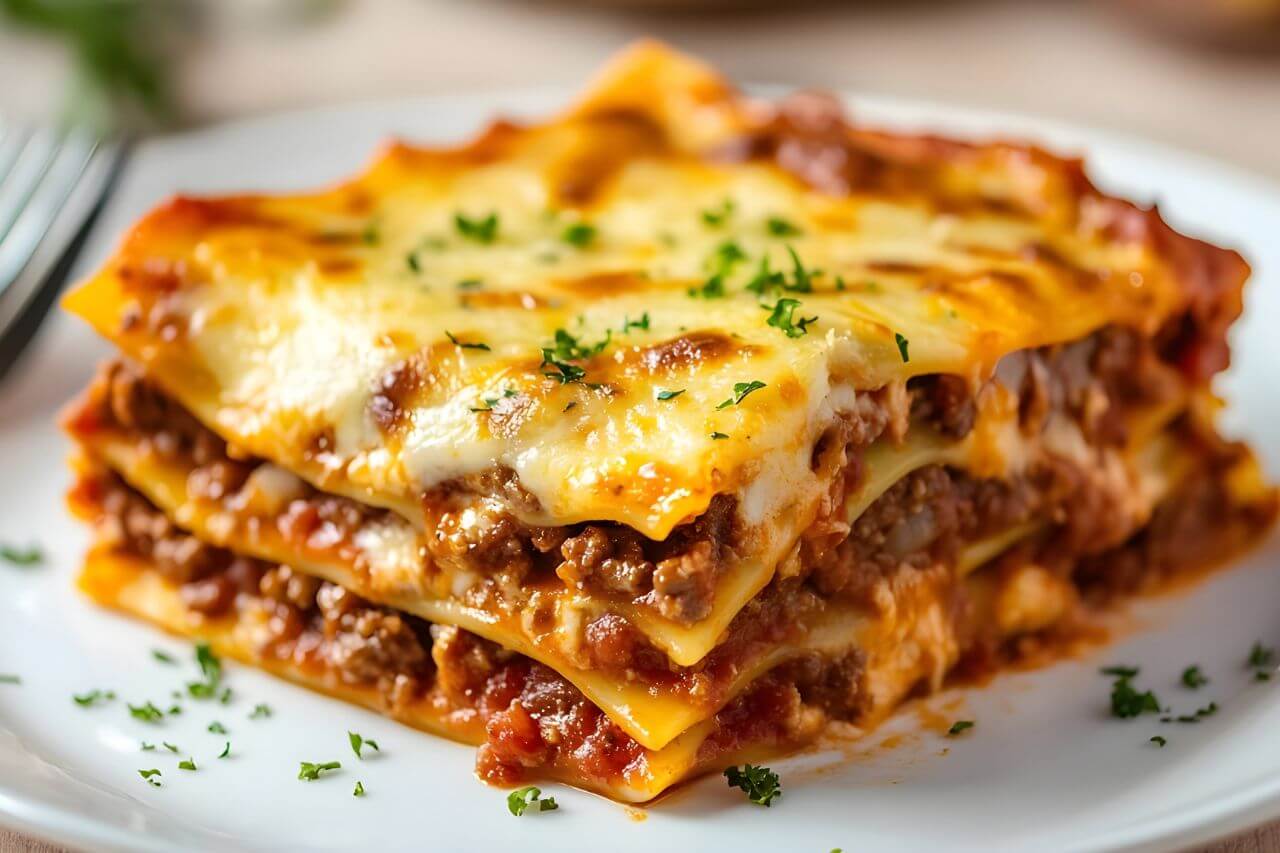
Lasagna is the kind of meal that brings everything you want in a comforting dinner together in one dish. Tender lasagna noodles are layered with rich ground beef and tomato sauce, creamy ricotta filling, and plenty of mozzarella and Parmesan, then baked until bubbling and golden.
This easy homemade lasagna recipe is hearty enough for a family dinner but also works beautifully for holidays, gatherings, and make-ahead meals. The layers are simple to prepare, and the oven does most of the work once everything is assembled.
Lasagna Recipe at a Glance
- Prep Time: 30 minutes
- Cook Time: 50 minutes
- Rest Time: 15 minutes
- Total Time: About 1 hour 35 minutes
- Servings: 8–10
- Cuisine: Italian-inspired
- Oven Temperature: 375°F (190°C)
- Main Ingredient: Ground beef and lasagna noodles
Ingredients
For the Meat Sauce
- 1 lb ground beef
- 1 tbsp olive oil
- 1 medium onion, finely chopped
- 3 cloves garlic, minced
- 2 tbsp tomato paste
- 28 oz crushed tomatoes
- 14 oz tomato sauce
- 1 tsp dried oregano
- 1 tsp dried basil
- 1/2 tsp Italian seasoning
- 1/2 tsp salt
- 1/4 tsp black pepper
- 1/2 tsp red pepper flakes, optional
- 1/2 cup water
For the Ricotta Filling
- 15 oz ricotta cheese
- 1 large egg
- 1/2 cup grated Parmesan cheese
- 1 tsp Italian seasoning
- 1/4 tsp salt
- 1/4 tsp black pepper
For the Lasagna Layers
- 12 lasagna noodles
- 3 cups shredded mozzarella cheese
- 1/2 cup grated Parmesan cheese
For Garnishing
- Fresh parsley or basil, chopped
- Extra Parmesan, optional
How to Make Lasagna
1. Prepare the Meat Sauce
Heat olive oil in a large skillet or pot over medium heat.
Add the chopped onion and cook for 4–5 minutes, until softened. Add the garlic and cook for another 30 seconds.
Add the ground beef and break it apart with a spoon. Cook for 6–8 minutes, stirring occasionally, until browned and no longer pink.
Stir in the tomato paste and cook for 1–2 minutes. This helps deepen the tomato flavor.
Add the crushed tomatoes, tomato sauce, oregano, basil, Italian seasoning, salt, black pepper, red pepper flakes, and water.
Bring the sauce to a gentle simmer. Reduce the heat and cook uncovered for about 20–25 minutes, stirring occasionally. The sauce should become thick and rich rather than watery.
2. Cook the Lasagna Noodles
Bring a large pot of salted water to a boil.
Cook the lasagna noodles according to the package directions until just tender. Avoid overcooking them because they will continue cooking in the oven.
Drain the noodles and arrange them separately on a baking sheet or clean surface so they don’t stick together.
3. Make the Ricotta Filling
In a medium bowl, combine the ricotta cheese, egg, Parmesan, Italian seasoning, salt, and black pepper.
Stir until smooth and evenly combined.
The egg helps the filling set during baking, while Parmesan adds extra savory flavor.
4. Assemble the Lasagna
Preheat the oven to 375°F (190°C).
Spread a thin layer of meat sauce over the bottom of a 9×13-inch baking dish.
Place a layer of lasagna noodles over the sauce.
Spread about one-third of the ricotta mixture over the noodles, followed by some meat sauce and shredded mozzarella.
Repeat the layers until the ingredients are used.
Finish with a final layer of noodles, meat sauce, mozzarella, and Parmesan.
Try to spread the ingredients evenly so every serving has a good balance of noodles, sauce, cheese, and filling.
5. Cover and Bake
Cover the baking dish tightly with aluminum foil. Try not to let the foil sit directly against the cheese.
Bake for 25 minutes.
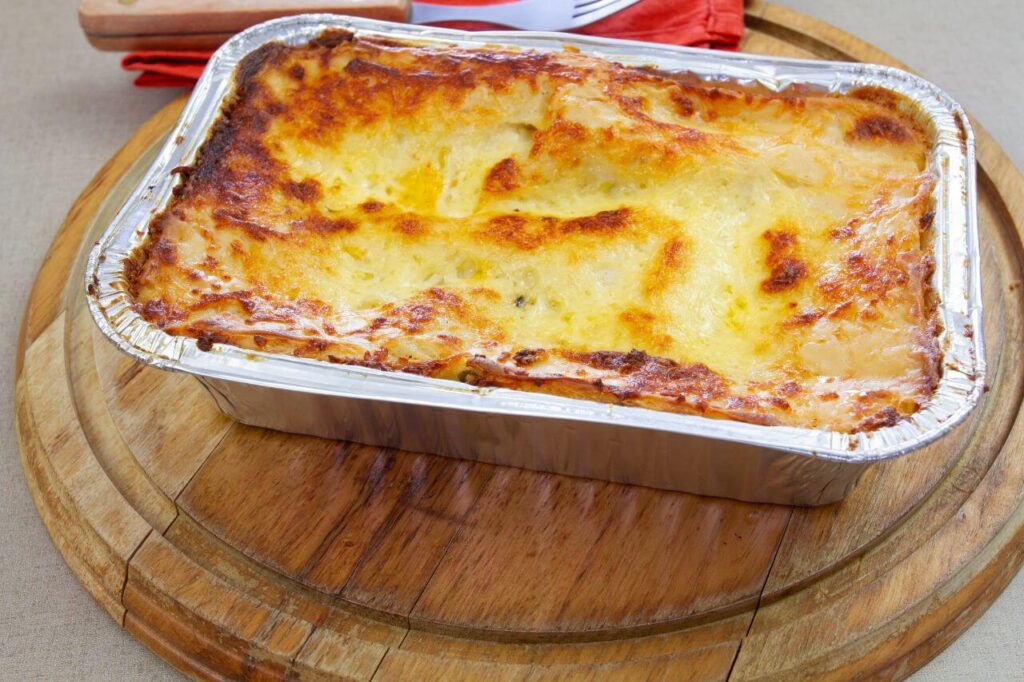
Remove the foil and continue baking for another 20–25 minutes, until the cheese is melted, bubbling, and lightly golden around the edges.
6. Rest Before Slicing
Remove the lasagna from the oven and let it rest for at least 15 minutes before cutting.
This step makes a big difference. The layers need time to settle so the slices hold their shape instead of sliding apart.
Garnish with fresh parsley or basil and extra Parmesan if desired.
Why You’ll Love This Lasagna
This homemade lasagna has everything that makes a baked pasta dish satisfying: a rich tomato meat sauce, creamy ricotta, stretchy mozzarella, Parmesan, and tender pasta layered together.
The sauce is cooked before assembly, which gives it a deeper flavor and prevents the finished lasagna from becoming watery.
It also makes plenty, so leftovers are just as useful for lunch the next day.
Ingredient Notes
Ground beef: Ground beef gives the sauce a rich, savory base. You can use a moderately lean variety so the sauce stays flavorful without becoming overly greasy.
Lasagna noodles: Regular dried lasagna noodles work well. Cook them until just tender rather than completely soft.
Ricotta: Full-fat ricotta creates a creamy, rich filling. If your ricotta looks particularly wet, drain some excess liquid before mixing.
Mozzarella: Shredded mozzarella gives lasagna its signature melted, stretchy topping.
Parmesan: Parmesan adds a salty, nutty flavor to both the ricotta layer and the top.
Tomato paste: Cooking the tomato paste briefly before adding the tomatoes gives the meat sauce a deeper flavor.
How Do You Keep Lasagna From Getting Watery?
The most important thing is to make sure your meat sauce is thick before assembling the lasagna.
Watery ricotta can also add excess moisture, so drain it if necessary. Cook the noodles just until tender and avoid adding extra liquid between the layers.
Finally, allow the baked lasagna to rest before slicing. Cutting it immediately can make even a properly cooked lasagna appear loose.
How Many Layers Should Lasagna Have?
There isn’t one required number of layers, but around 3–4 layers of noodles works well in a standard 9×13-inch baking dish.
The important thing is to distribute the sauce, cheese, and ricotta evenly rather than making one layer extremely thick.
Can You Make Lasagna Ahead of Time?
Yes. Lasagna is an excellent make-ahead dinner.
Assemble the entire dish, cover it tightly, and refrigerate it for up to 24 hours before baking.
When you’re ready to cook, remove it from the refrigerator while the oven preheats. It may need a little additional baking time because the dish starts cold.
You can also freeze assembled or baked lasagna for longer storage.
Lasagna Variations
Chicken lasagna: Replace the ground beef with cooked shredded chicken and use a creamy sauce or tomato sauce.
Vegetable lasagna: Add sautéed mushrooms, spinach, zucchini, bell peppers, or roasted vegetables between the layers.
Extra cheesy lasagna: Add provolone or extra mozzarella for a richer cheese layer.
Spicy lasagna: Add red pepper flakes or Italian sausage to the meat sauce.
White lasagna: Skip the tomato sauce and make layers with chicken, spinach, ricotta, mozzarella, and a creamy white sauce.
What to Serve With Lasagna
Lasagna is already hearty, so fresh and simple sides work particularly well:
- Garlic bread
- Caesar salad
- Green salad
- Roasted vegetables
- Steamed broccoli
- Garlic breadsticks
- Sautéed spinach
How to Store Leftover Lasagna
Let the lasagna cool before covering it and placing it in the refrigerator.
Store leftovers in an airtight container or cover the baking dish tightly. Refrigerated lasagna is best enjoyed within 3–4 days.
Reheat individual portions in the microwave or place them in a covered oven-safe dish and warm until heated through.
Frequently Asked Questions
Do I have to use ricotta in lasagna?
No. Ricotta is traditional in many lasagna recipes, but you can also use cottage cheese or a béchamel-style filling depending on the style you prefer.
Should lasagna noodles be cooked before baking?
For this recipe, yes. Cooking them until just tender gives you more control over the final texture.
Why does my lasagna fall apart when I cut it?
It may need more resting time. Let the lasagna sit for at least 15 minutes after baking so the layers can firm up before slicing.
Can I use jarred pasta sauce?
Yes. Jarred marinara or pasta sauce can be used to save time. If using it, you can skip most of the tomato-sauce preparation and focus on browning the beef and building the layers.
Can I freeze homemade lasagna?
Yes. Cool it completely, wrap it tightly, and freeze it in a freezer-safe dish or individual portions. Thawing in the refrigerator before reheating generally gives the best texture.
How do I get a golden cheese topping?
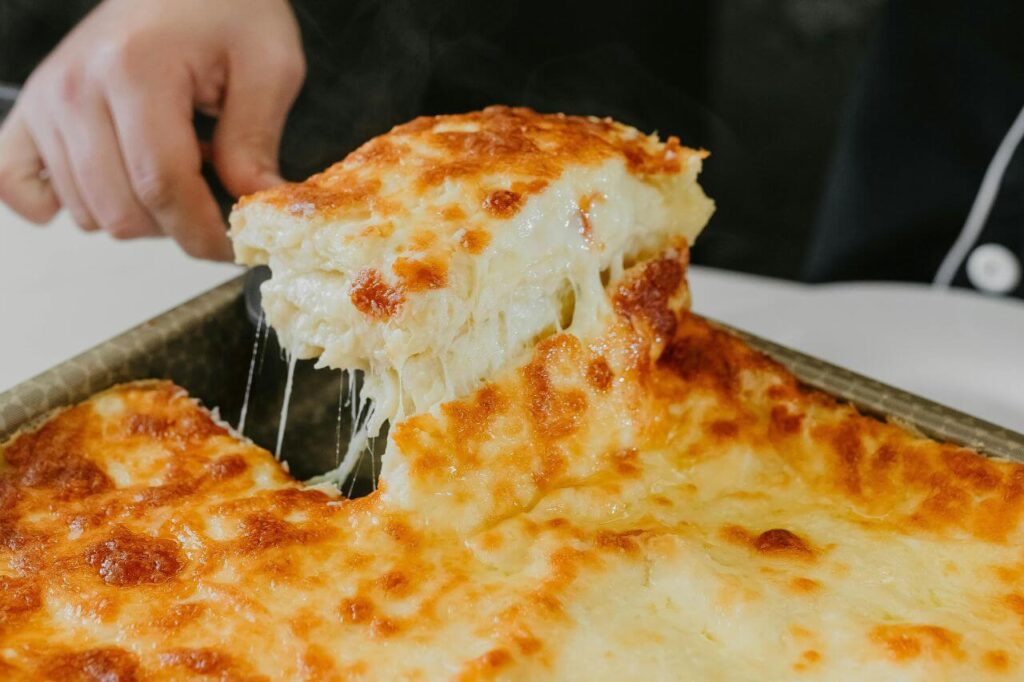
Bake uncovered during the final 20–25 minutes. For extra browning, use the broiler for the last 1–2 minutes, watching carefully so the cheese doesn’t burn.
Final Thoughts
This easy homemade lasagna is built around simple layers that come together into a rich, comforting dinner. The slow-simmered beef and tomato sauce, creamy ricotta filling, tender noodles, and melted cheese make every slice hearty and satisfying.
Give the lasagna a few minutes to rest after baking, then serve it with a crisp salad or warm garlic bread for a classic family meal.
Related Posts
Stay Informed With the Latest & Most Important News
Previous Post
Next Post



Advertisement
