





Now Reading: Classic Spaghetti Bolognese
-
01
Classic Spaghetti Bolognese


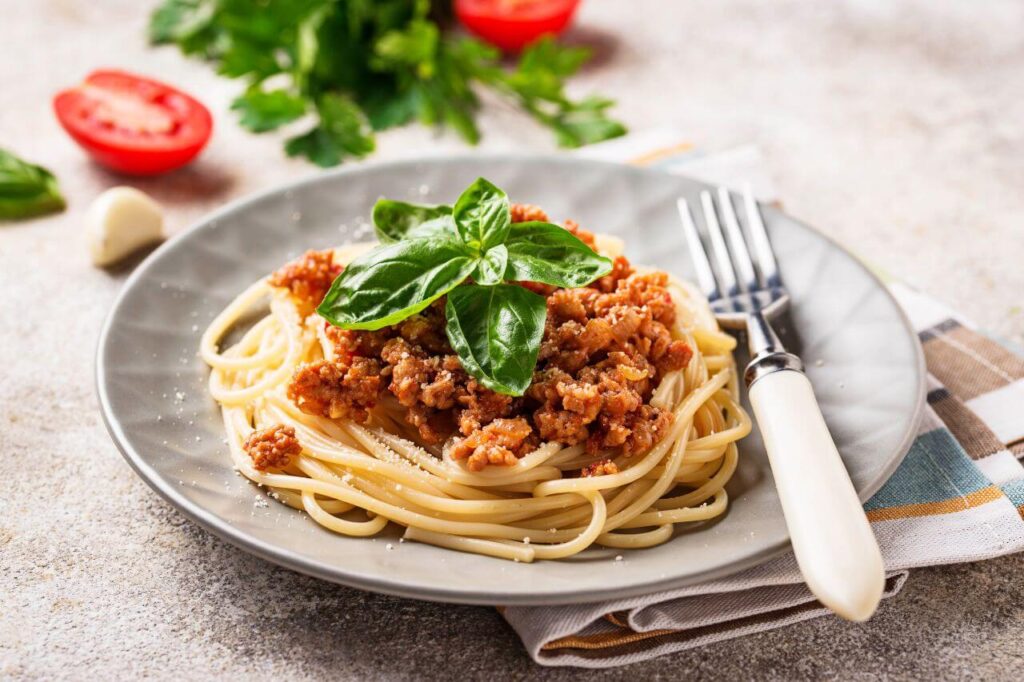
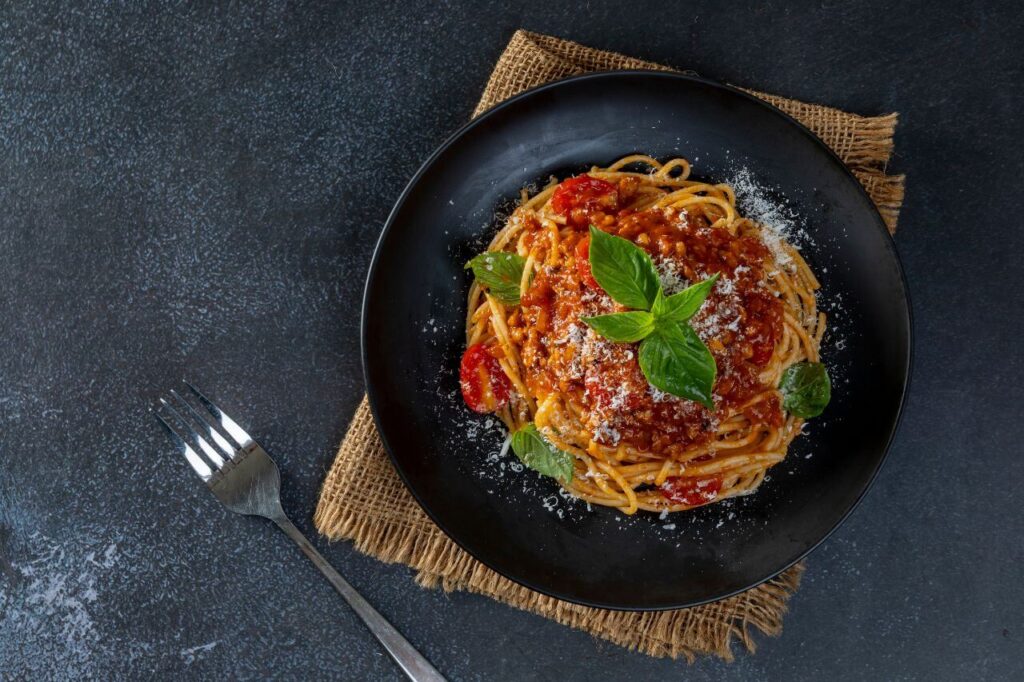
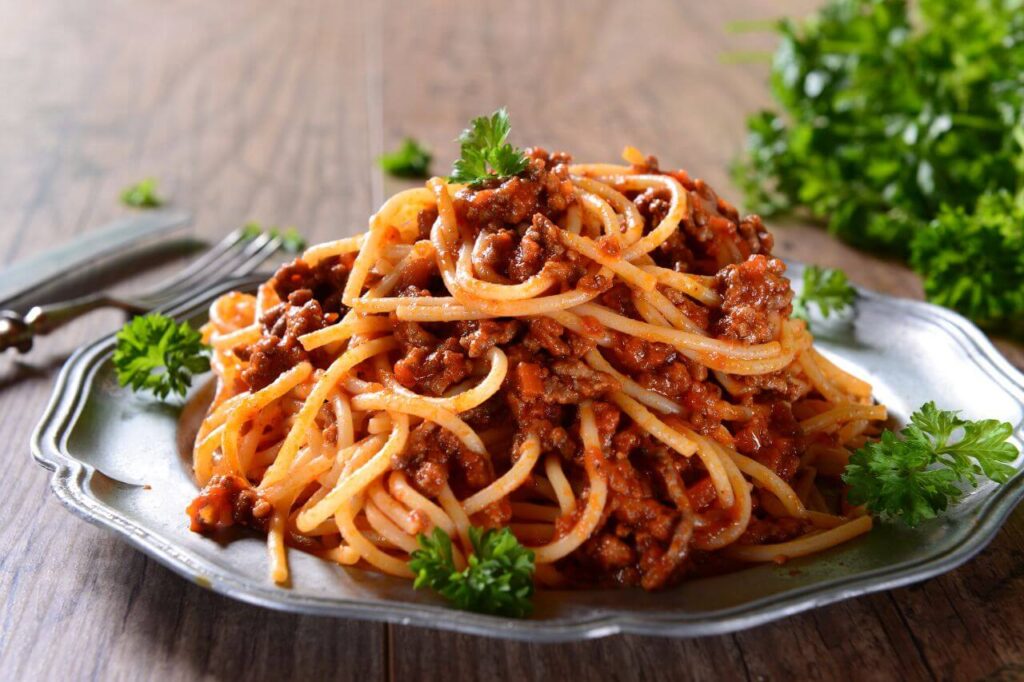
Classic Spaghetti Bolognese is a comforting, hearty pasta dinner made with spaghetti tossed with a rich meat and tomato sauce. The sauce starts with onion, carrot, and celery, then builds flavor with ground beef, tomatoes, herbs, and a gentle simmer.
It is an easy family meal, but the secret to making a flavorful Bolognese is giving the sauce enough time to cook slowly. The longer it simmers, the more the flavors come together and the richer the sauce becomes.
Recipe at a Glance
- Prep Time: 15 minutes
- Cook Time: 45 minutes
- Total Time: About 1 hour
- Servings: 4–6
- Cuisine: Italian-inspired
- Best Served With: Parmesan cheese and fresh herbs
Ingredients
For the Bolognese Sauce
- 1 tablespoon olive oil
- 1 medium onion, finely chopped
- 1 medium carrot, finely chopped
- 1 celery stalk, finely chopped
- 2 cloves garlic, minced
- 1 pound ground beef
- 2 tablespoons tomato paste
- 1 can (28 ounces) crushed tomatoes
- 1 cup beef broth
- 1 teaspoon dried oregano
- 1 teaspoon dried basil
- 1 bay leaf
- 1/2 teaspoon salt, or to taste
- 1/4 teaspoon black pepper
- 1/2 cup milk
- 1 tablespoon butter
For the Pasta
- 12 ounces spaghetti
- Salt, for the pasta water
- 1/2 cup grated Parmesan cheese, for serving
- Fresh basil or parsley, optional
How to Make Classic Spaghetti Bolognese
1. Cook the Vegetables
Heat the olive oil in a large, deep skillet or saucepan over medium heat.
Add the chopped onion, carrot, and celery. Cook for about 5–7 minutes, stirring occasionally, until the vegetables soften.
Add the minced garlic and cook for another 30 seconds.
The vegetables should become soft and fragrant without burning.
2. Brown the Ground Beef
Add the ground beef to the pan.
Break it apart with a wooden spoon and cook for about 6–8 minutes, until browned and no longer pink.
Allowing the meat to brown properly gives the sauce a deeper, richer flavor.
If there is a large amount of excess fat in the pan, carefully spoon some of it out.
3. Add the Tomato Paste
Stir the tomato paste into the browned beef and vegetables.
Cook for about 1–2 minutes, stirring frequently.
Cooking the tomato paste briefly helps develop its flavor before the liquids are added.
4. Add the Tomatoes and Seasonings
Pour in the crushed tomatoes and beef broth.
Add the oregano, basil, bay leaf, salt, and black pepper.
Stir everything together and bring the sauce to a gentle simmer.
5. Simmer the Bolognese
Reduce the heat to low and let the sauce simmer uncovered for about 30 minutes.
Stir occasionally so the sauce doesn’t stick to the bottom of the pan.
If the sauce becomes too thick before the cooking time is finished, add a small splash of broth or water.
For an even deeper flavor, you can simmer the sauce for longer.
6. Add the Milk and Butter
Remove the bay leaf.
Stir in the milk and butter and let the sauce cook for another 5 minutes.
The milk softens the acidity of the tomatoes and gives the Bolognese a smoother, richer finish.
Taste the sauce and adjust the salt and pepper if needed.
7. Cook the Spaghetti
While the sauce is simmering, bring a large pot of salted water to a boil.
Add the spaghetti and cook according to the package directions until al dente, meaning tender but still slightly firm when bitten.
Before draining, reserve about 1/2 cup of pasta water.
8. Combine the Pasta and Sauce
Drain the spaghetti and add it to the Bolognese sauce.
Toss well so the sauce coats the pasta evenly.
If the sauce feels too thick, add a small amount of reserved pasta water and toss again.
9. Serve
Divide the spaghetti among serving plates.
Top generously with grated Parmesan cheese and fresh basil or parsley if desired.
Serve immediately while hot.
What Makes a Good Bolognese Sauce?
A good Bolognese is all about building flavor in layers.
Softening the vegetables first creates a flavorful base, while properly browning the beef adds savory depth. Tomato paste intensifies the tomato flavor, and slow simmering allows everything to blend together.
The finished sauce should be thick enough to coat the spaghetti without being dry.
Ingredient Notes
Ground beef: Choose ground beef with enough fat to keep the sauce flavorful and moist.
Onion, carrot, and celery: This combination creates a classic vegetable base and adds natural sweetness to the sauce.
Tomato paste: Concentrates the tomato flavor and gives the sauce more depth.
Crushed tomatoes: Form the main tomato base of the Bolognese.
Beef broth: Adds savory flavor and gives the sauce enough liquid for simmering.
Milk: Helps balance the acidity of the tomatoes and gives the sauce a smoother texture.
Butter: Adds richness at the end without making the sauce heavy.
How Do You Make Spaghetti Bolognese More Flavorful?
The most important step is not rushing the sauce.
Give the vegetables time to soften, brown the beef properly, cook the tomato paste briefly, and allow the sauce to simmer gently.
If you have extra time, simmer the Bolognese for 1–2 hours over very low heat, adding a little broth or water whenever necessary. The sauce will become deeper and more concentrated.
Should You Put Bolognese Directly on Spaghetti?
You can, but tossing the spaghetti with the sauce before serving gives a better result.
The sauce coats more of the pasta instead of sitting only on top. A splash of reserved pasta water also helps the sauce cling to the spaghetti.
Why Is My Bolognese Too Acidic?
Tomatoes can sometimes taste sharp, especially when the sauce has not cooked long enough.
A longer gentle simmer can mellow the acidity. The small amount of milk in this recipe also helps balance the tomato flavor without making the sauce sweet.
Can I Add Vegetables to Bolognese?
Yes. The onion, carrot, and celery already provide a vegetable base, but you can also add finely chopped mushrooms, zucchini, or bell peppers.
Cut additional vegetables small enough that they blend naturally into the sauce.
Can You Make Spaghetti Bolognese Ahead of Time?
Yes. Bolognese sauce is excellent for make-ahead meals.
Prepare the sauce, allow it to cool, and refrigerate it in a covered container for up to 3 days.
When ready to serve, reheat the sauce gently on the stovetop while cooking fresh spaghetti.
The sauce can also be frozen for up to 3 months.
How to Store Leftover Spaghetti Bolognese
Store leftover pasta and sauce in an airtight container in the refrigerator for up to 3 days.
For the best texture, store the sauce separately from the spaghetti when possible.
Reheat the sauce in a saucepan over medium-low heat, adding a splash of water if it has thickened.
Frequently Asked Questions
Can I use spaghetti for Bolognese?
Yes. Spaghetti is a popular choice for this family-style version. You can also use other pasta shapes such as tagliatelle, rigatoni, or penne.
Can I make Bolognese without wine?
Absolutely. This recipe does not require wine. Beef broth provides enough liquid and savory flavor for the sauce.
Can I use ground turkey instead of beef?
Yes, although the flavor will be lighter and less rich. If using turkey, take care not to overcook it.
How long should Bolognese simmer?
For a quick homemade version, about 30–45 minutes works well. If you have more time, a longer, gentle simmer can produce a deeper flavor.
Can I freeze Bolognese sauce?
Yes. Let the sauce cool completely, transfer it to a freezer-safe container, and freeze for up to 3 months. Thaw in the refrigerator before reheating.
Related Posts
Stay Informed With the Latest & Most Important News
Previous Post
Next Post



Advertisement
