



Now Reading: Homemade Donuts
-
01
Homemade Donuts

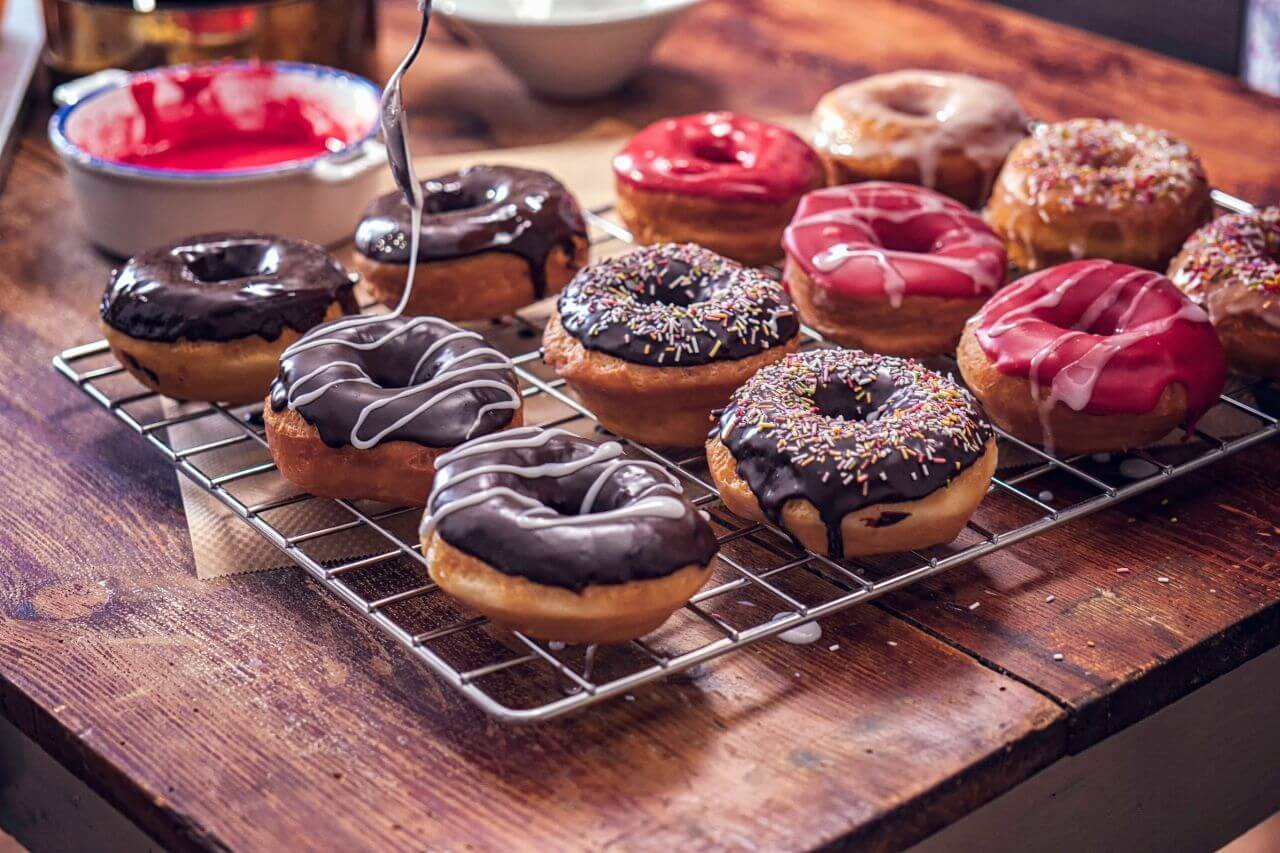
There’s something special about a warm homemade donut—soft in the middle, lightly golden around the edges, and finished with a simple sweet glaze. These homemade donuts are made with a soft yeast dough that becomes fluffy and tender after frying.
The dough does need time to rise, but the process is straightforward and beginner-friendly. Once the donuts are fried, dip them into vanilla glaze while they’re still slightly warm for that classic bakery-style finish.
Recipe at a Glance
- Prep Time: 25 minutes
- Rise Time: 1–1½ hours
- Cook Time: 15 minutes
- Total Time: About 2 hours
- Yield: 12 donuts
- Cooking Temperature: 350°F (175°C)
- Best For: Breakfast, brunch, snacks, and desserts
Ingredients
For the Donuts
- 3 cups all-purpose flour
- 1/4 cup granulated sugar
- 2 1/4 teaspoons active dry yeast
- 1/2 teaspoon salt
- 3/4 cup warm whole milk
- 2 large eggs
- 4 tablespoons unsalted butter, melted
- 1 teaspoon vanilla extract
- Vegetable oil, for frying
For the Vanilla Glaze
- 1 1/2 cups powdered sugar
- 2–3 tablespoons milk
- 1/2 teaspoon vanilla extract
How to Make Homemade Donuts
1. Activate the Yeast
Pour the warm milk into a small bowl and stir in the sugar and yeast. Let it sit for about 5–10 minutes.
The mixture should become slightly foamy on top. This shows that the yeast is active and ready to use.
2. Make the Dough
In a large bowl, combine the flour and salt. Add the yeast mixture, eggs, melted butter, and vanilla.
Mix until a soft dough forms. Turn it onto a lightly floured surface and knead for about 5–7 minutes, until the dough feels smooth and elastic.
If it feels slightly sticky, avoid adding a lot of extra flour. A soft dough helps create lighter donuts.
3. Let the Dough Rise
Place the dough in a lightly greased bowl and cover it with a clean kitchen towel or plastic wrap.
Let it rise in a warm place for about 1–1½ hours, or until it has roughly doubled in size.
4. Cut the Donuts
Turn the risen dough onto a lightly floured surface and gently roll it to about 1/2-inch thickness.
Use a donut cutter or two round cutters to cut out the donuts. Transfer them to a lightly floured tray, leaving some space between each one.
Cover and let them rest for another 20–30 minutes. They should look slightly puffed.
5. Heat the Oil
Pour vegetable oil into a deep, heavy-bottomed pot, leaving enough room for the oil to bubble safely.
Heat the oil to 350°F (175°C).
A kitchen thermometer is the easiest way to maintain the right temperature. Oil that is too hot can brown the outside before the center cooks, while cooler oil can make the donuts greasy.
6. Fry the Donuts
Carefully place a few donuts into the hot oil, making sure not to overcrowd the pot.
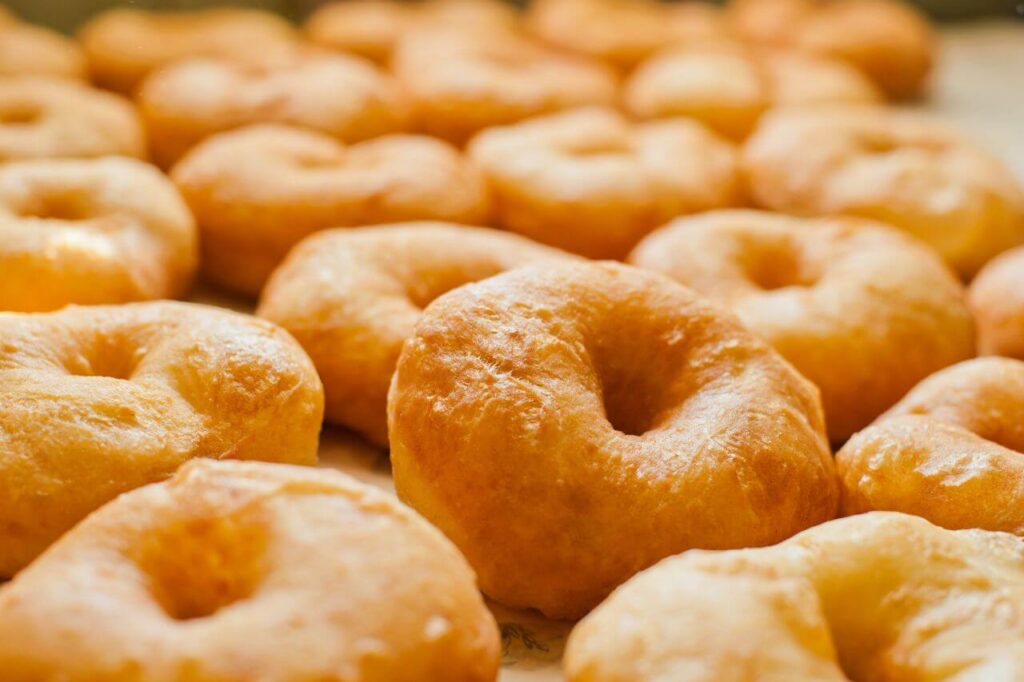
Fry for about 1–2 minutes per side, turning once, until puffed and evenly golden brown.
Remove them with a slotted spoon and place them on a paper towel-lined plate or wire rack.
Continue with the remaining donuts, allowing the oil to return to 350°F between batches.
7. Make the Glaze
Whisk the powdered sugar, milk, and vanilla together in a small bowl until smooth.
If the glaze is too thick, add a little more milk. If it is too thin, add a little more powdered sugar.
8. Glaze the Donuts
Let the donuts cool for a few minutes, then dip the tops into the glaze.
Place them on a wire rack and allow the glaze to set for several minutes.
For an extra bakery-style finish, add sprinkles while the glaze is still wet.

What Makes These Homemade Donuts So Good?
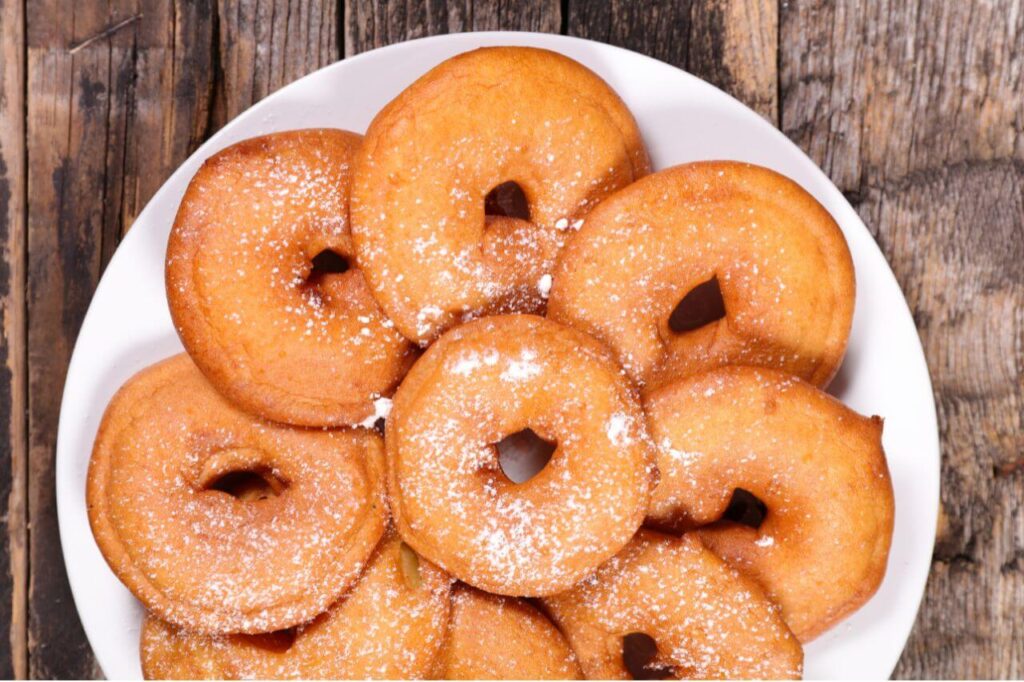
The combination of yeast, milk, eggs, and butter gives these donuts their soft, fluffy texture. Unlike cake donuts, which rely on baking powder or baking soda, yeast-raised donuts develop a light interior as the dough rises.
Freshly fried donuts also have a delicate crispness around the outside that pairs beautifully with the smooth vanilla glaze.
Ingredient Notes
Flour: All-purpose flour works well and keeps the recipe simple.
Milk: Whole milk adds richness and helps create a tender dough.
Yeast: Active dry yeast gives the donuts their airy, fluffy texture. Make sure it becomes foamy when activated.
Butter: Melted unsalted butter adds flavor and softness to the dough.
Vanilla: A little vanilla gives both the donuts and glaze a warmer flavor.
Oil: Use a neutral oil suitable for frying, such as vegetable oil.
How Do You Make Donuts Soft and Fluffy?
The most important step is giving the dough enough time to rise. The first rise allows the yeast to create air inside the dough, while the short second rise helps the shaped donuts become light before frying.
Also, avoid making the dough too dry with excess flour. A slightly soft dough produces a more tender homemade donut.
Why Are My Donuts Greasy?
Greasy donuts are often caused by oil that is not hot enough. When the temperature drops too much, the dough absorbs more oil before it has a chance to form a golden crust.
Fry in small batches and keep the oil close to 350°F (175°C) for more consistent results.
Easy Homemade Donut Toppings
The vanilla glaze is a simple classic, but you can change the finish depending on what you like.
Try:
- Chocolate glaze
- Cinnamon sugar
- Powdered sugar
- Sprinkles
- Crushed nuts
- Coconut flakes
- Melted chocolate drizzle
For filled donuts, you can also pipe jam, custard, or chocolate cream into the center after frying.
Can You Make Homemade Donuts Ahead of Time?
You can prepare the dough ahead of time and refrigerate it after the first rise. Cover it well and refrigerate overnight. Let the dough sit at room temperature for a short time before rolling and cutting.
For the best texture, fry the donuts as close to serving time as possible.
How to Store Homemade Donuts
Homemade donuts are best on the day they are made. Store leftovers in an airtight container at room temperature for up to 2 days.
If the glaze has softened, a few seconds in the microwave can gently warm the donut, although freshly fried donuts will always have the best texture.
Frequently Asked Questions
Can I make donuts without a donut cutter?
Yes. Use a large round cookie cutter or drinking glass for the outside and a smaller cutter for the center hole.
Why didn’t my donuts rise?
The yeast may have been inactive, the milk may have been too hot or too cold, or the dough may have been left in a very cool place. Give the dough enough time to become noticeably puffy.
Can I bake these donuts instead of frying them?
This particular recipe is designed for frying. Baking changes the texture and produces a softer, more cake-like result rather than the classic fried donut texture.
How do I know when the oil is ready?
The easiest method is a kitchen thermometer. Aim for 350°F (175°C) before adding the donuts.
Can I make chocolate donuts?
Yes. You can finish the fried donuts with chocolate glaze or melted chocolate. For a chocolate dough, the recipe itself would need to be adjusted by replacing part of the flour with cocoa powder.
Final Thoughts
These homemade donuts are worth the little bit of waiting. The dough rises into soft, airy rounds, the hot oil gives them a beautiful golden exterior, and the simple vanilla glaze adds just enough sweetness.
Serve them warm with coffee, tea, or cold milk, and you have an easy homemade treat that feels straight from a bakery.

Stay Informed With the Latest & Most Important News
Previous Post
Next Post



Advertisement